Bio-Regenerators: A New Generation of Skin Rejuvenation
Moving Beyond Traditional Skin Treatments
In recent years, aesthetic medicine has begun to shift from simply treating visible signs of ageing to supporting the skin’s own biological repair systems. This approach is often referred to as bio-regeneration.
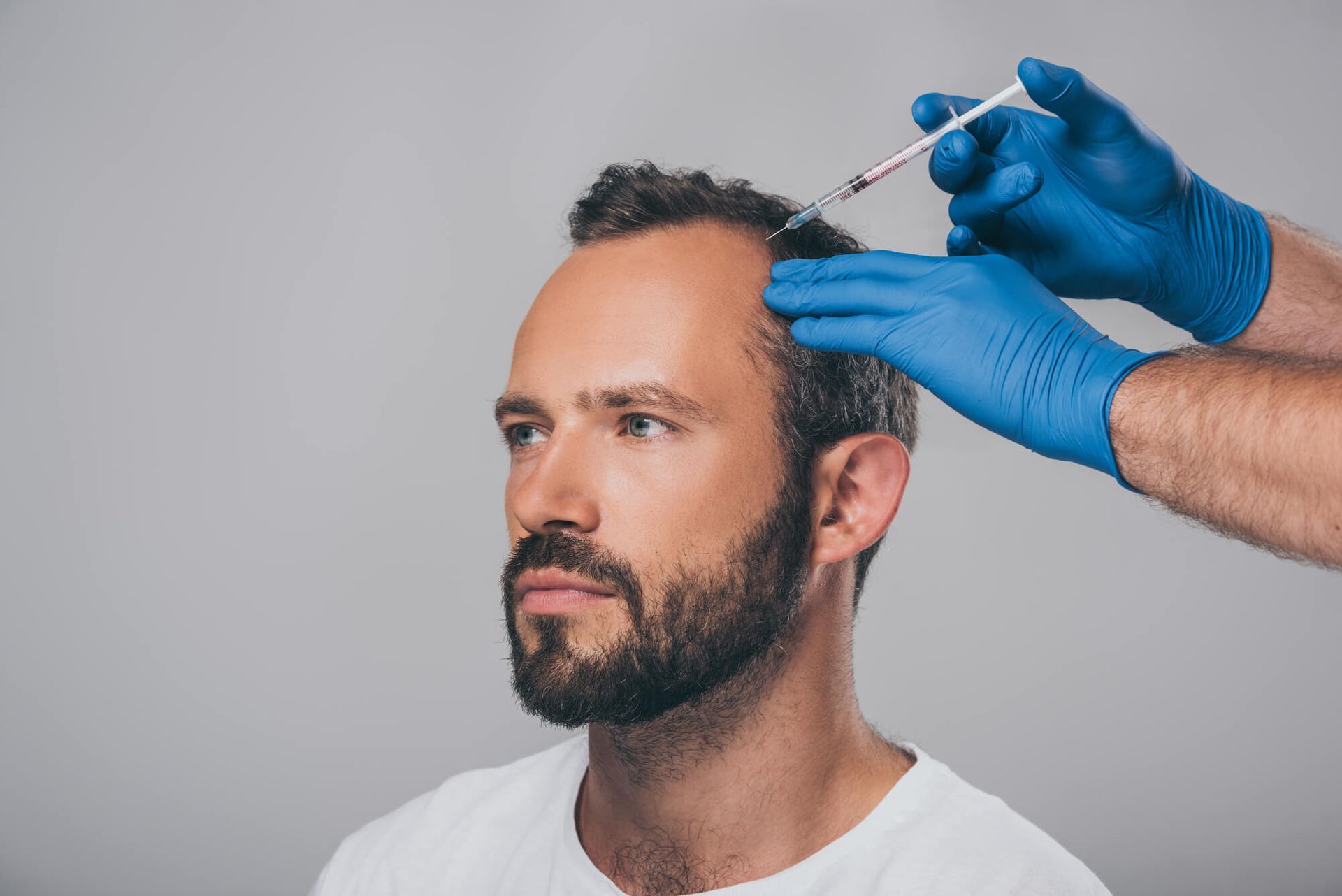
Bio-regenerators are part of a newer category of injectable treatments designed to stimulate the skin to repair and rebuild itself from within. Rather than focusing only on adding volume or temporarily smoothing lines, these treatments work at a cellular level, encouraging the skin to produce important structural proteins that naturally decline as we age.
The goal is not to “fill” the skin, but to restore its quality, strength and resilience over time.
What Is a Bio-Regenerator?
A bio-regenerator is a scientifically formulated injectable treatment designed to stimulate fibroblast activity within the skin.
Fibroblasts are specialised cells found in the dermis. They are responsible for producing many of the key components that give skin its strength, elasticity and hydration, including:
- Collagen
- Elastin
- Extracellular matrix proteins
- Hyaluronic acid
As we age, fibroblast activity slows significantly. This contributes to many of the changes commonly associated with ageing skin, including:
- Thinning of the skin
- Loss of elasticity
- Fine lines and wrinkles
- Crepey texture
- Reduced hydration
- Loss of structural support
Bio-regenerative treatments aim to reactivate these fibroblasts, helping the skin gradually rebuild its own supportive structures.
The Role of Collagen in Skin Health
Collagen is the most abundant protein in the skin and provides the structural framework that keeps skin firm and strong. However, collagen production begins to decline from our mid-20s and continues to decrease each year.
Research shows that certain bio-regenerative formulations can stimulate fibroblasts to produce multiple types of collagen, not just one.
These include:
Type I collagen: Provides strength and structure to the dermis
Type III collagen: Supports skin elasticity and flexibility
Type IV collagen: Helps stabilise the basement membrane between dermis and epidermis
Type V collagen: Regulates collagen fibre formation
Type VI collagen: Supports cellular attachment within the extracellular matrix
Type VII collagen: Anchors the epidermis to the dermis
By supporting the production of multiple collagen types, bio-regenerators help improve the overall architecture of the skin, not just its surface appearance.
Supporting Elastin Production
While collagen provides structure, elastin is responsible for the skin’s ability to stretch and return to its original shape.
Elastin fibres act like tiny springs within the dermis. Over time, elastin becomes fragmented and degraded through ageing, sun exposure, and oxidative stress.
Loss of elastin contributes to:
- Skin laxity
- Fine lines and wrinkles
- Reduced resilience
- Crepey texture
Bio-regenerative treatments can stimulate fibroblasts to increase elastin synthesis, helping restore some of the skin’s natural elasticity and firmness.
Improving Long-Term Skin Hydration
Hydration is another key component of healthy skin.
While topical skincare and traditional injectable hydrators can provide temporary improvements, clinical research suggests that bio-regenerative treatments may improve long-term dermal hydration by influencing the extracellular matrix (ECM).
The ECM acts as a supportive network that surrounds skin cells and helps retain moisture. When fibroblasts are stimulated to produce more matrix proteins and hyaluronic acid, the skin becomes better able to retain water within the dermis.
This can lead to improvements in:
- Skin smoothness
- Elasticity
- Texture
- Overall skin quality
Unlike treatments that focus only on short-term hydration, bio-regeneration aims to improve the skin’s ability to maintain hydration over time.
Areas Commonly Treated
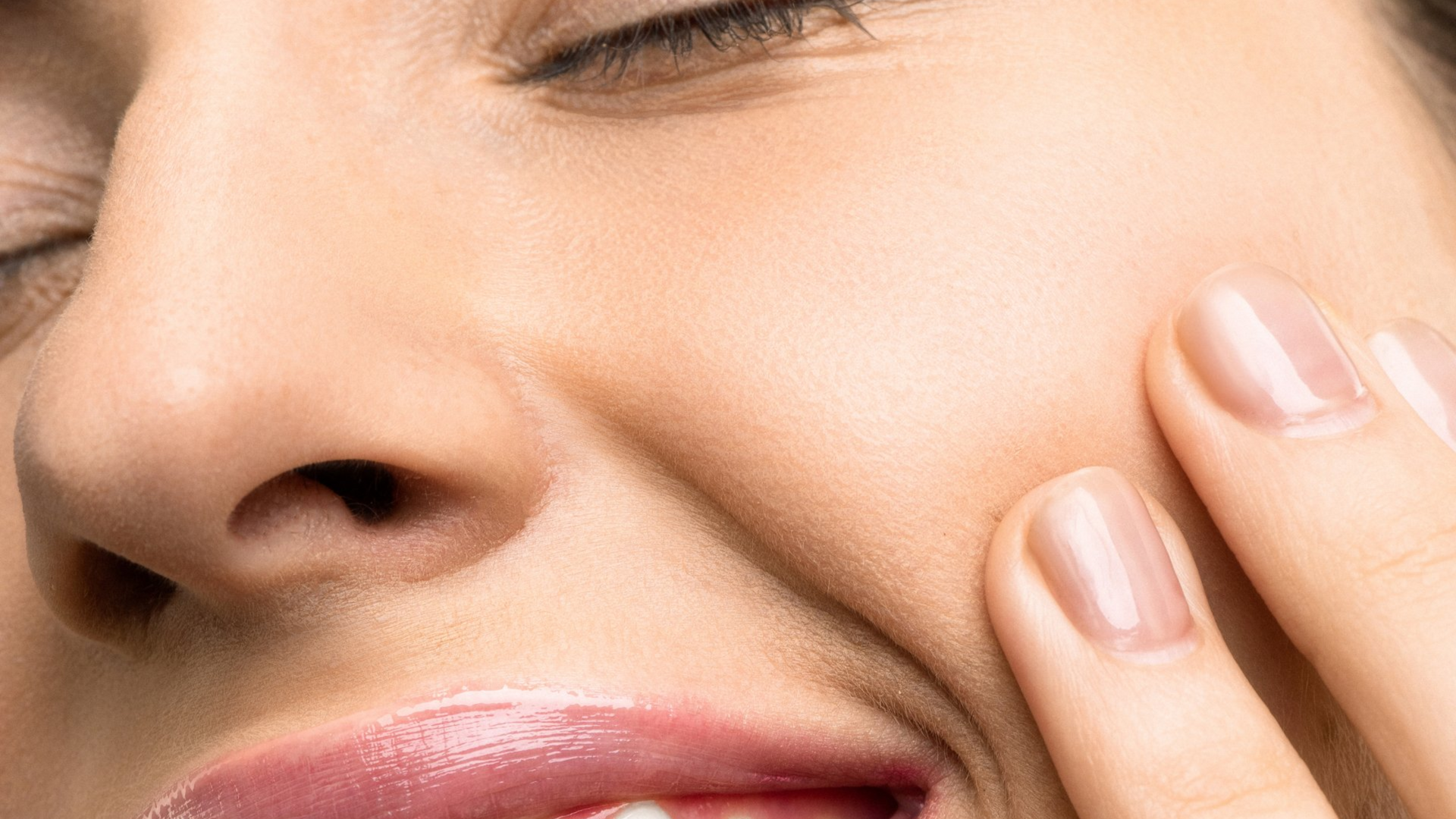
Bio-regenerative treatments are often used in areas where the skin becomes thin, fragile, or crepey, including:
- Under the eyes
- Around the mouth
- Neck
- Décolletage
- Hands
- Face
These areas often show the earliest signs of collagen and elastin depletion, making them ideal candidates for regenerative approaches.
What Makes Bio-Regeneration Different?
Traditional aesthetic treatments generally fall into two categories:
1. Volume replacement
These treatments restore lost volume in the face.
2. Muscle activity modulation
These treatments reduce the appearance of dynamic lines caused by muscle movement.
Bio-regeneration represents a third category focused on improving skin quality itself.
Rather than simply altering the appearance of the skin, these treatments aim to support the skin’s natural regenerative processes.
Results typically develop gradually over several weeks, as the skin begins to produce new structural proteins and improve its internal support network.
A Holistic Approach to Skin Ageing
Skin ageing is a complex biological process involving:
- Reduced collagen production
- Elastin degradation
- Decreased fibroblast activity
- Changes to the extracellular matrix
- Reduced hydration
Bio-regenerative treatments aim to address several of these mechanisms simultaneously by stimulating the skin’s own repair pathways.
When combined with good skincare, sun protection, and healthy lifestyle choices, this approach can help support stronger, healthier skin over time.
Is Bio-Regeneration Right for Everyone?
Every individual’s skin is unique, and treatment suitability depends on many factors including:
- Skin quality
- Age-related changes
- Medical history
- Treatment goals
A thorough consultation with a qualified practitioner is essential to determine the most appropriate options for your skin.
Important Information
All medical aesthetic treatments carry potential risks and require an individual assessment. A personalised consultation is necessary to determine suitability and discuss potential benefits and risks.