Hyaluronic Acid: What It Is, What It Does, and Why It’s So Popular in Skincare and Aesthetic Medicine
Hydration, Skin Support and Rejuvenation Explained
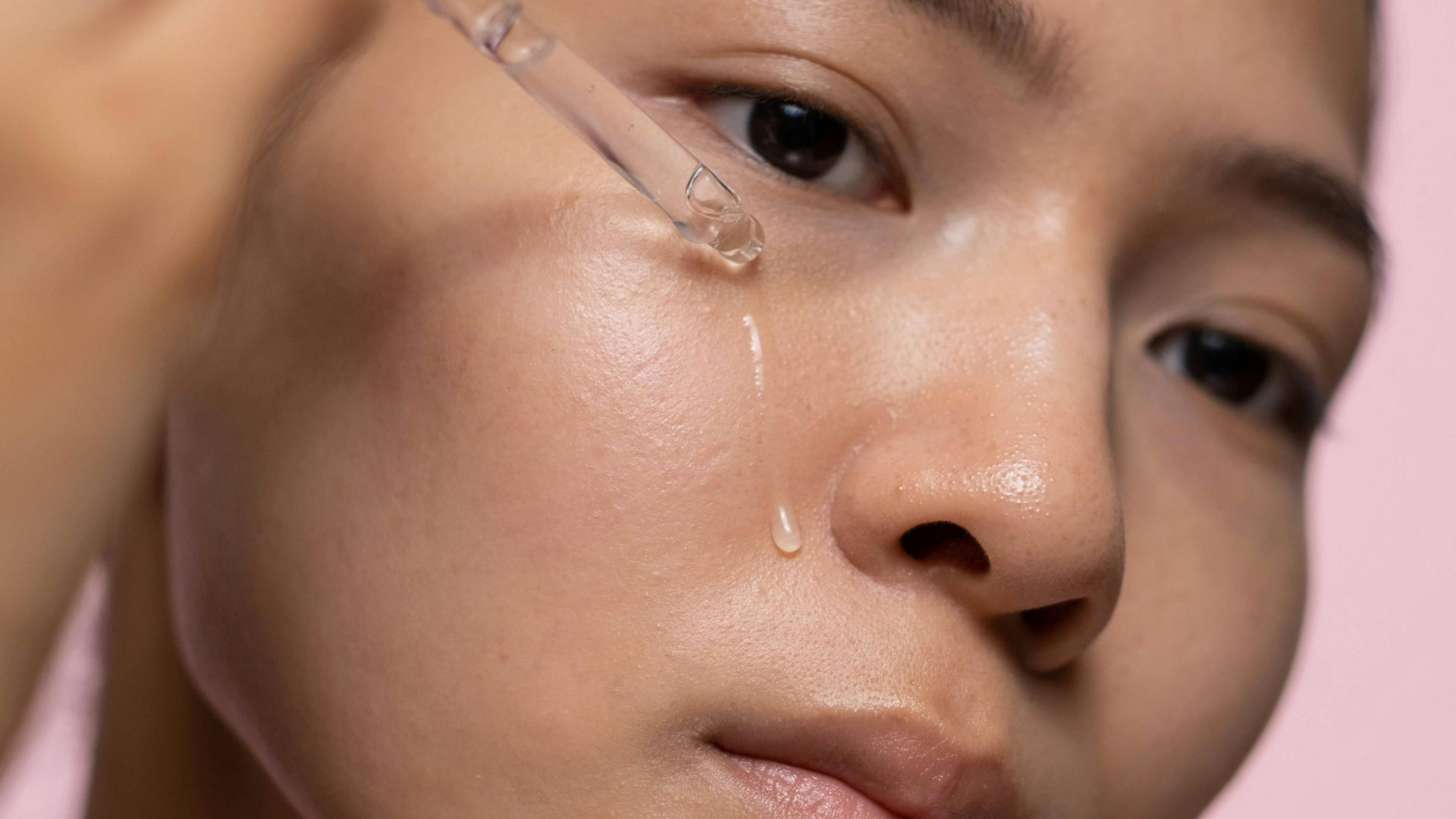
The Hydration Molecule Your Skin Loves
Hyaluronic acid (HA) has become one of the most talked-about ingredients in skincare and aesthetic medicine—and for good reason. Naturally found in the body, hyaluronic acid plays a vital role in keeping the skin hydrated, plump, smooth, and resilient.
From serums and moisturisers to advanced skin treatments and aesthetic procedures, hyaluronic acid is used widely because of its incredible ability to attract and retain moisture. But what exactly is it, and why is it so important for healthy, youthful-looking skin?
What Is Hyaluronic Acid?
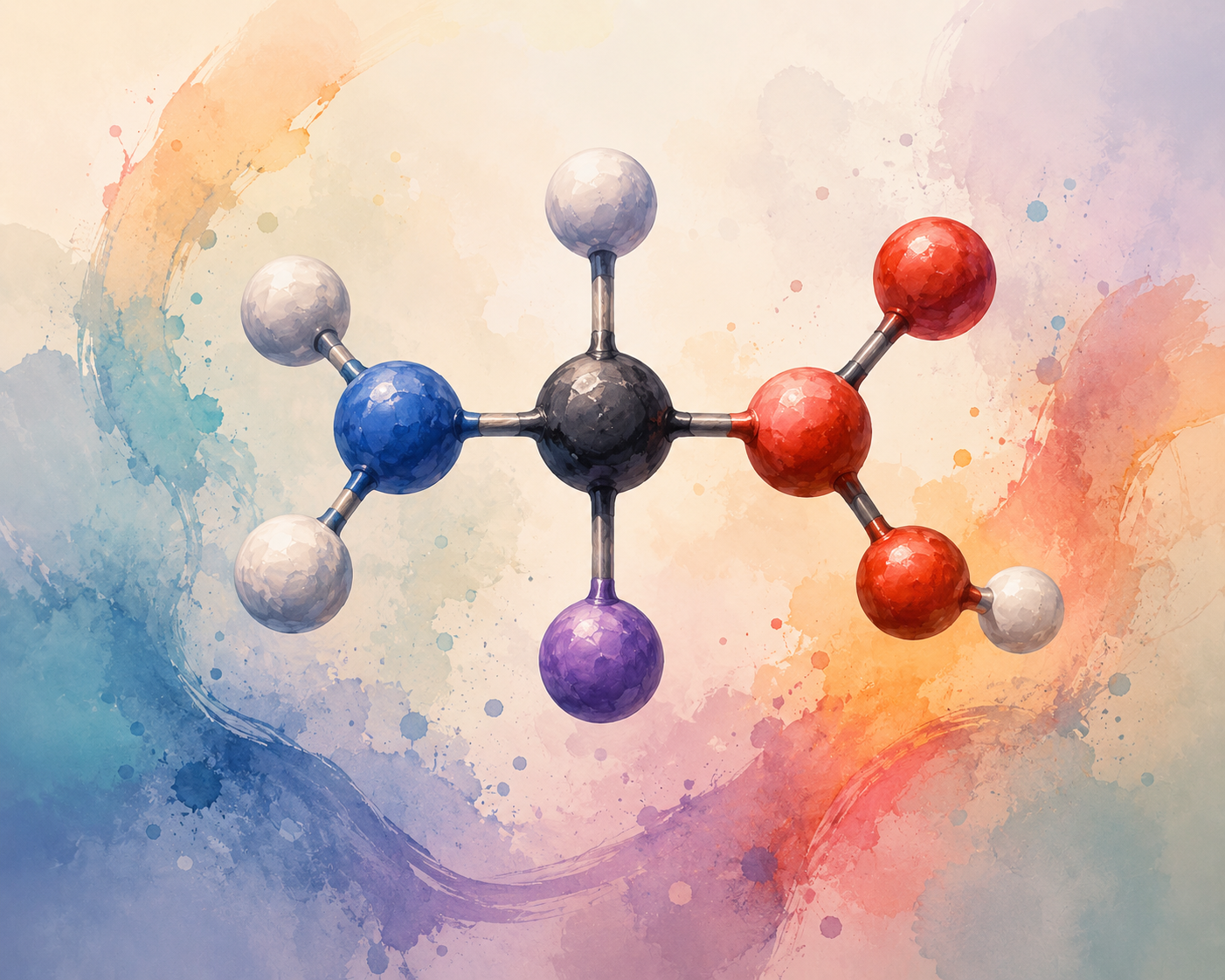
Hyaluronic acid is a naturally occurring sugar molecule (glycosaminoglycan) found throughout the body, particularly in:
- Skin
- Joints
- Eyes
- Connective tissue
Its primary function is to retain water and keep tissues lubricated and hydrated. In fact, hyaluronic acid can hold up to 1,000 times its weight in water, making it one of the body’s most powerful natural hydrators.
Approximately 50% of the body’s hyaluronic acid is found within the skin, where it helps maintain moisture, elasticity, softness, and structure.
What Does Hyaluronic Acid Do in the Body?
Hyaluronic acid is involved in several important biological functions:
Hydration
HA binds water molecules to tissues, helping maintain skin hydration and volume.
Tissue Repair
It plays a role in wound healing and tissue regeneration by supporting cell migration and reducing inflammation.
Joint Lubrication
Hyaluronic acid acts as a cushioning and lubricating agent within joints, helping reduce friction and support movement.
Skin Structure and Elasticity
HA contributes to skin firmness and resilience by supporting the extracellular matrix—the structural network that surrounds skin cells.
Protection
It helps protect tissues from environmental stress and dehydration.
What Happens to Hyaluronic Acid as We Age?
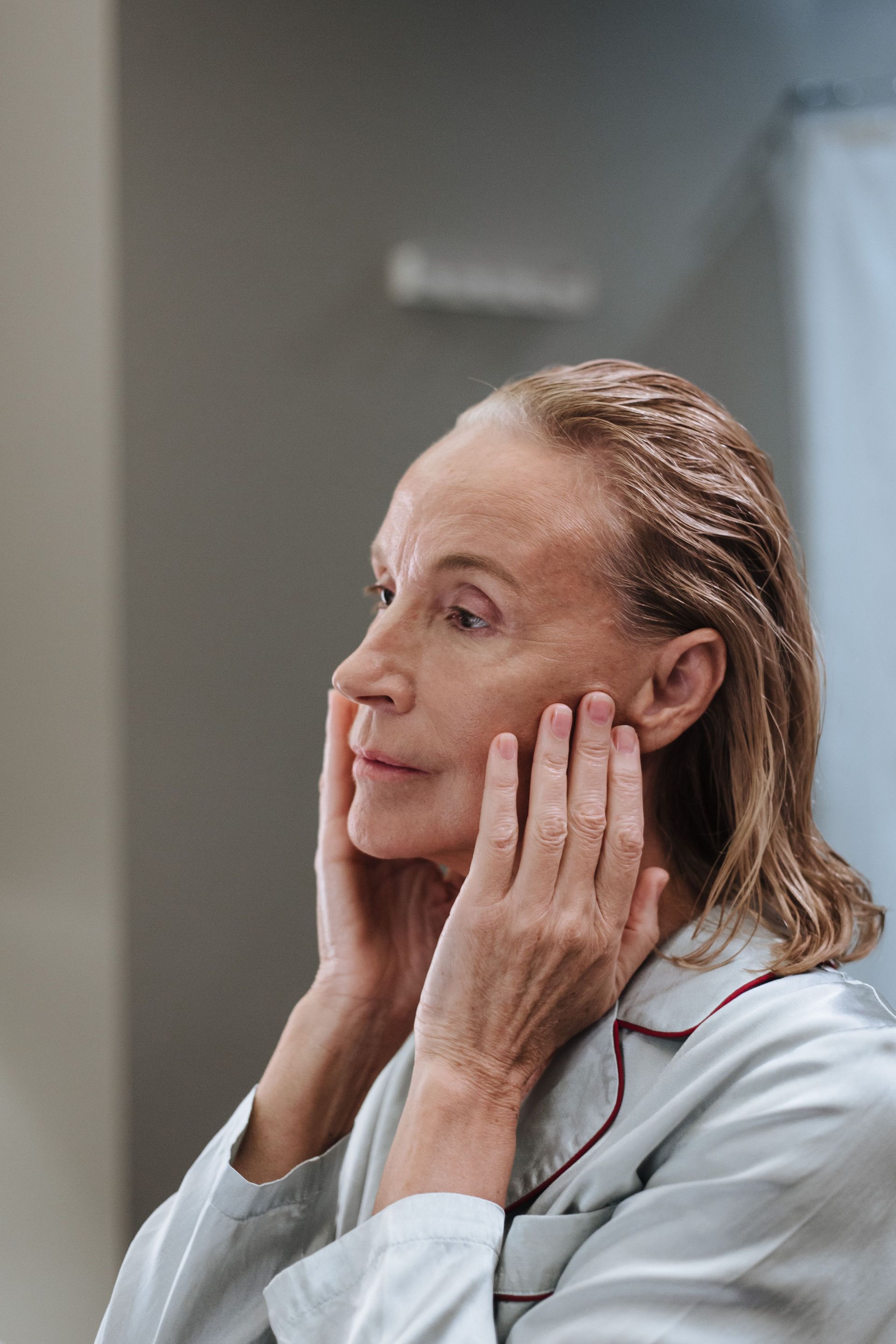
As we age, the body naturally produces less hyaluronic acid. Environmental factors such as UV exposure, smoking, pollution, stress, and inflammation can also accelerate its breakdown.
Reduced hyaluronic acid levels can contribute to:
- Dry or dehydrated skin
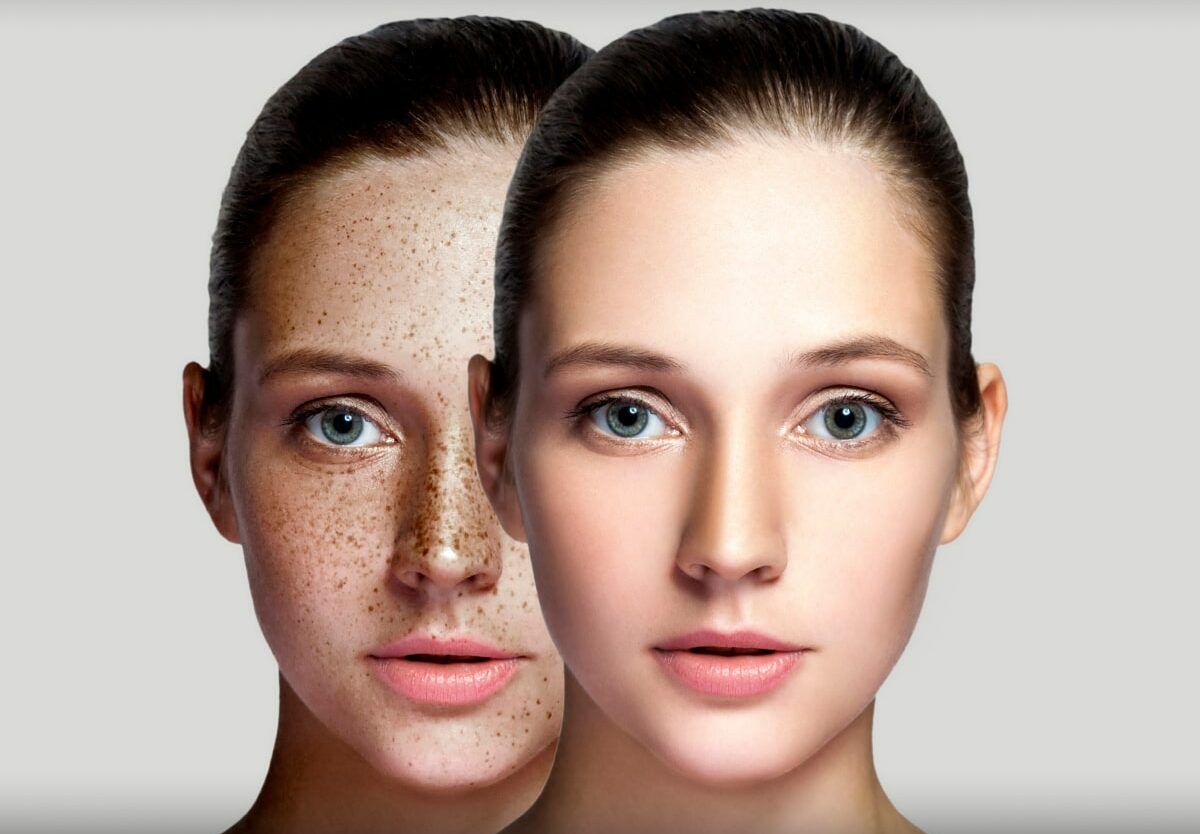
- Fine lines and wrinkles
- Loss of skin volume
- Reduced elasticity
- Dullness
- Thinner, more fragile skin
This is one reason why maintaining skin hydration becomes increasingly important with age.
Hyaluronic Acid in Skincare
Hyaluronic acid is a common ingredient in many skincare products because it helps improve hydration and skin barrier function without feeling heavy or greasy.
Common Skincare Products Containing HA
- Serums
- Moisturisers
- Masks
- Cleansers
- Eye creams
- Skin boosters
Benefits of Hyaluronic Acid in Skincare
Improves Hydration
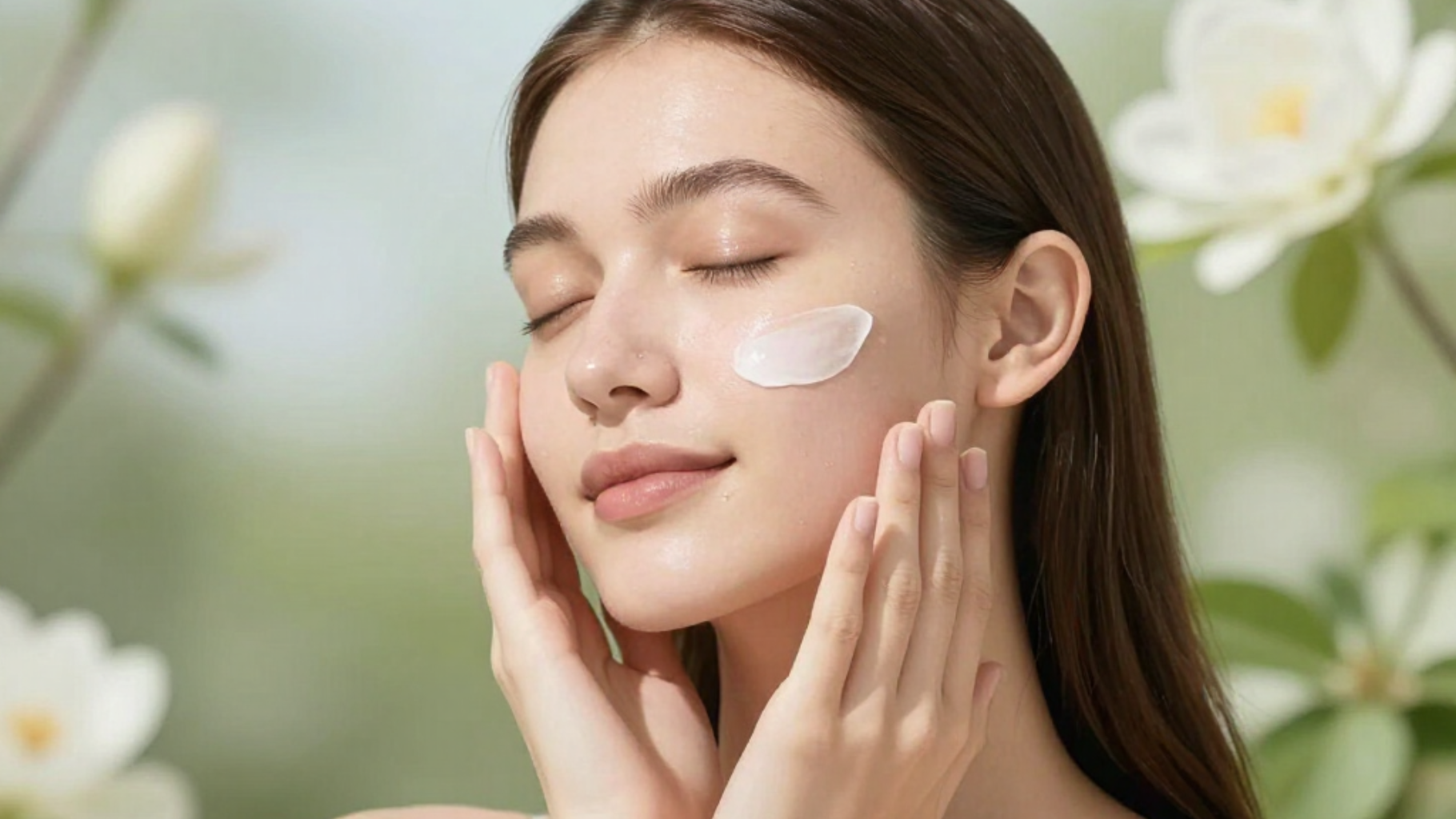
HA draws moisture into the skin, helping it appear smoother and more supple.
Softens Fine Lines
Well-hydrated skin often looks plumper, which can soften the appearance of fine lines caused by dehydration.
Supports the Skin Barrier
Hydrated skin functions more effectively as a protective barrier against environmental damage.
Suitable for Most Skin Types
Hyaluronic acid is generally well tolerated by most skin types, including sensitive and acne-prone skin.
Lightweight and Non-Greasy
Unlike heavier occlusive products, HA provides hydration without excessive oiliness.
Different Molecular Weights of Hyaluronic Acid
Not all hyaluronic acid products are the same. HA comes in different molecular weights, which affect how deeply it penetrates the skin.
High Molecular Weight HA
- Sits closer to the skin surface
- Provides surface hydration
- Helps smooth and soften the skin
Low Molecular Weight HA
- Penetrates deeper into the skin
- Helps improve hydration within deeper layers
- May support skin repair and elasticity
Many modern skincare products combine multiple molecular weights for enhanced hydration.
Hyaluronic Acid in Aesthetic Procedures
Hyaluronic acid is also widely used in aesthetic medicine due to its compatibility with the body and hydrating properties.
Skin Hydration Treatments
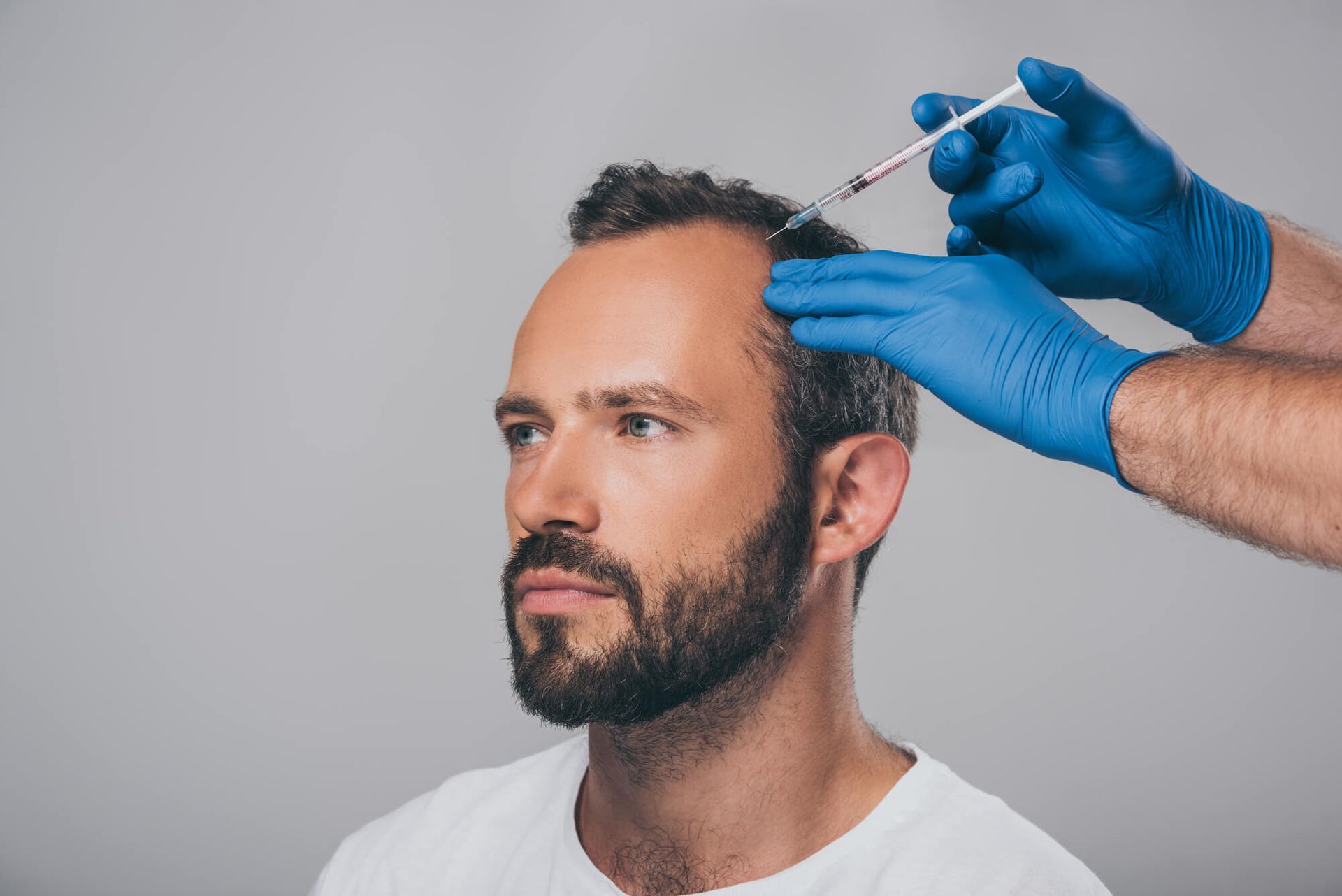
Some aesthetic procedures use hyaluronic acid-based formulations designed to improve hydration, skin quality, and overall skin appearance.
These treatments may help:
- Improve skin texture
- Support hydration
- Enhance radiance
- Improve skin elasticity
A consultation with a qualified practitioner is important to determine suitability.
Dermal Fillers
Hyaluronic acid is commonly used in dermal filler products designed to restore volume, support facial contours, and soften certain lines and folds.
Different formulations have different characteristics depending on:
- Thickness
- Crosslinking technology
- Elasticity
- Water-binding capacity
Treatment suitability varies depending on individual anatomy, skin quality, and aesthetic goals.
Microneedling Adjunct
Hyaluronic acid serums are often applied during or after skin needling procedures to support hydration and skin recovery.
Is Hyaluronic Acid Safe?
Hyaluronic acid is generally considered safe and biocompatible because it naturally exists within the body. However, as with any skincare or aesthetic treatment, there can be risks depending on the product used and how it is administered.
Possible Side Effects in Skincare
- Mild irritation
- Temporary redness
- Product sensitivity
Possible Risks in Aesthetic Procedures
- Swelling
- Bruising
- Tenderness
- Infection
- Lumps or irregularities
- Vascular complications (rare but serious)
This is why aesthetic procedures should always be performed by appropriately trained and qualified practitioners.
Who May Benefit from Hyaluronic Acid?
Hyaluronic acid may benefit people experiencing:
- Dehydrated skin
- Fine lines
- Dullness
- Loss of skin elasticity
- Age-related skin changes
- Environmental skin stress
It is commonly incorporated into both preventative and rejuvenation-focused skincare routines.
How to Use Hyaluronic Acid in Your Routine
For best results:
- Apply HA to slightly damp skin
- Follow with a moisturiser to help seal in hydration
- Use consistently
- Continue daily sun protection
Hydration works best when combined with a healthy skin barrier and good overall skincare habits.
Luxura Skin Hyalurinic Acid Skin Care Recommendations
Hydrating Niacinamide Night Gel
Re-Dox Anti-ageing Synbiotic Moisteriser
Final Thoughts
Hyaluronic acid is far more than just a trending skincare ingredient. It is a naturally occurring molecule essential for hydration, tissue support, and skin health. As we age and natural levels decline, incorporating hyaluronic acid into skincare and aesthetic treatments may help support smoother, healthier, and more hydrated-looking skin.
Whether used in a serum, moisturiser, or professional skin treatment, hyaluronic acid remains one of the most versatile and widely used ingredients in modern aesthetic medicine and skincare.
Results vary from person to person. A thorough consultation with a qualified healthcare professional is recommended prior to commencing any aesthetic treatment.