Peptides in Aesthetic and Regenerative Medicine
Exploring the evidence, safety considerations and emerging role of peptides in modern aesthetics

Peptides are gaining attention not only in skincare, but also in the broader health and aesthetics space. You may have heard about “injectable peptides” being used for skin, recovery, or overall wellbeing—but what are they, and what should you know before considering them?
This article aims to provide a clear, evidence-informed overview.
What Are Injectable Peptides?
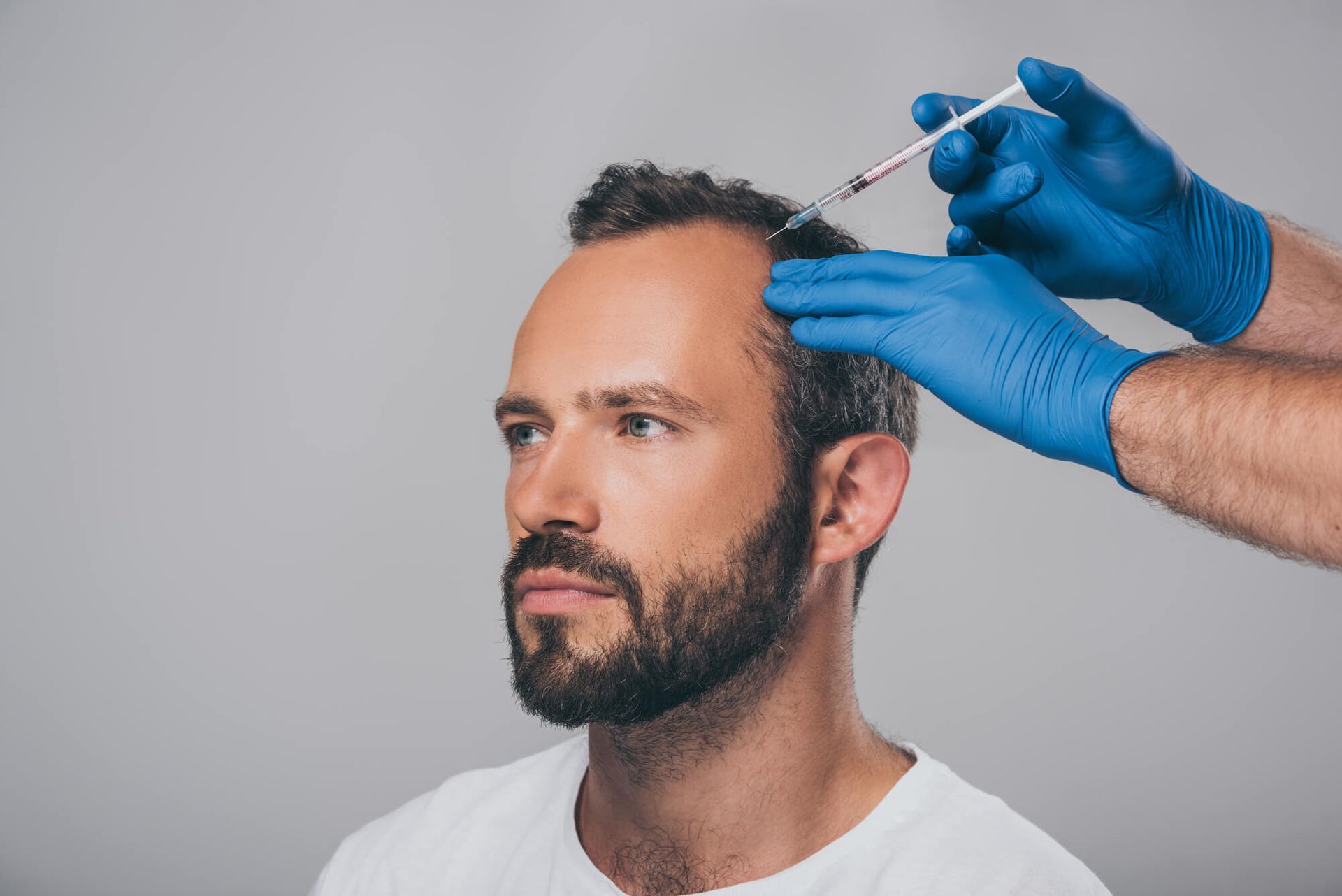
Peptides are short chains of amino acids that act as signalling molecules in the body. When used in certain medical contexts, peptides may be administered via injection to influence specific biological processes.
Unlike topical skincare peptides, injectable peptides are designed to work systemically or at a deeper tissue level, depending on the formulation and intended use.
How Do Injectable Peptides Work?
Peptides interact with receptors on cells to “signal” particular actions within the body. Depending on the peptide, this may include:
- Supporting cellular repair processes
- Influencing inflammation pathways
- Interacting with growth factor signalling
- Supporting tissue regeneration
It’s important to understand that different peptides have very different mechanisms of action, and not all are supported by strong clinical evidence.
Commonly Discussed Injectable Peptides
You may come across names such as:
- BPC-157 – often discussed in relation to tissue repair and healing
- Thymosin Beta-4 (TB-500) – associated with wound healing processes
- CJC-1295 / Ipamorelin – linked to growth hormone signalling pathways
- GHK-Cu (Copper peptide) – studied for skin repair and anti-inflammatory effects
⚠️ Many of these compounds are still being researched, and their use, regulation, and approval status varies significantly.
What Does the Evidence Say?
Research into peptides is ongoing, with much of the current data coming from:
- Laboratory (in vitro) studies
- Animal studies
- Small or early-phase human trials
While some peptides show promising biological effects, there is limited large-scale, long-term clinical evidence to support routine use for many aesthetic or wellness indications.
This means results, safety profiles, and long-term outcomes are not fully established for all peptide therapies.
Safety and Regulatory Considerations (Australia)
In Australia, injectable peptides may fall under prescription-only (Schedule 4) medicines, depending on the compound.
Key points to be aware of:
- Not all peptides are approved by the Therapeutic Goods Administration (TGA) for aesthetic or wellness use
- Some peptides may be accessed through compounding pharmacies under strict medical oversight
- Advertising prescription-only treatments directly to the public is restricted under AHPRA and TGA guidelines
For these reasons, you may notice that clinics provide general information rather than specific treatment promotion.
Are Injectable Peptides Right for Everyone?
Injectable peptides are not suitable for everyone, and careful consideration is required.
Factors that need to be assessed include:
- Medical history and current health status
- Medications and potential interactions
- Treatment goals and expectations
- The evidence supporting the specific peptide being considered
A thorough consultation with a qualified healthcare professional is essential before considering any injectable therapy.
Final Thoughts
Peptides are an exciting area of research with potential applications in skin health, repair, and regenerative medicine. However, when it comes to injectable forms, it’s important to approach with informed caution.
Understanding the science, the current level of evidence, and the regulatory landscape helps you make safer, more informed decisions about your health and skin.
Important Information
This information is general in nature and does not constitute medical advice. Individual suitability varies, and a thorough consultation with a qualified healthcare professional is required to determine appropriate options for your needs.