Hair Restoration with Exosomes: The Future of Regenerative Hair Therapy
Understanding Exosome-Based Hair Rejuvenation

Hair thinning and hair loss are common concerns for both men and women, often linked to ageing, hormonal changes, stress, and genetics. While traditional treatments focus on slowing loss, a new category of regenerative therapy is emerging—exosome-based hair restoration.
One of the newest innovations in this space is Exomide exosomes, a topical regenerative formulation designed to support scalp health and stimulate hair follicle activity.
What Are Exosomes?
Exosomes are nano-sized extracellular vesicles naturally released by cells. They contain:
- Growth factors
- Proteins
- Lipids
- RNA (genetic signalling molecules)
Their primary role is cell-to-cell communication, helping regulate healing, inflammation, and tissue regeneration.
In hair restoration, exosomes act as biological messengers, delivering signals that encourage hair follicles to repair and regenerate.
What Is Exomide for Hair Restoration?
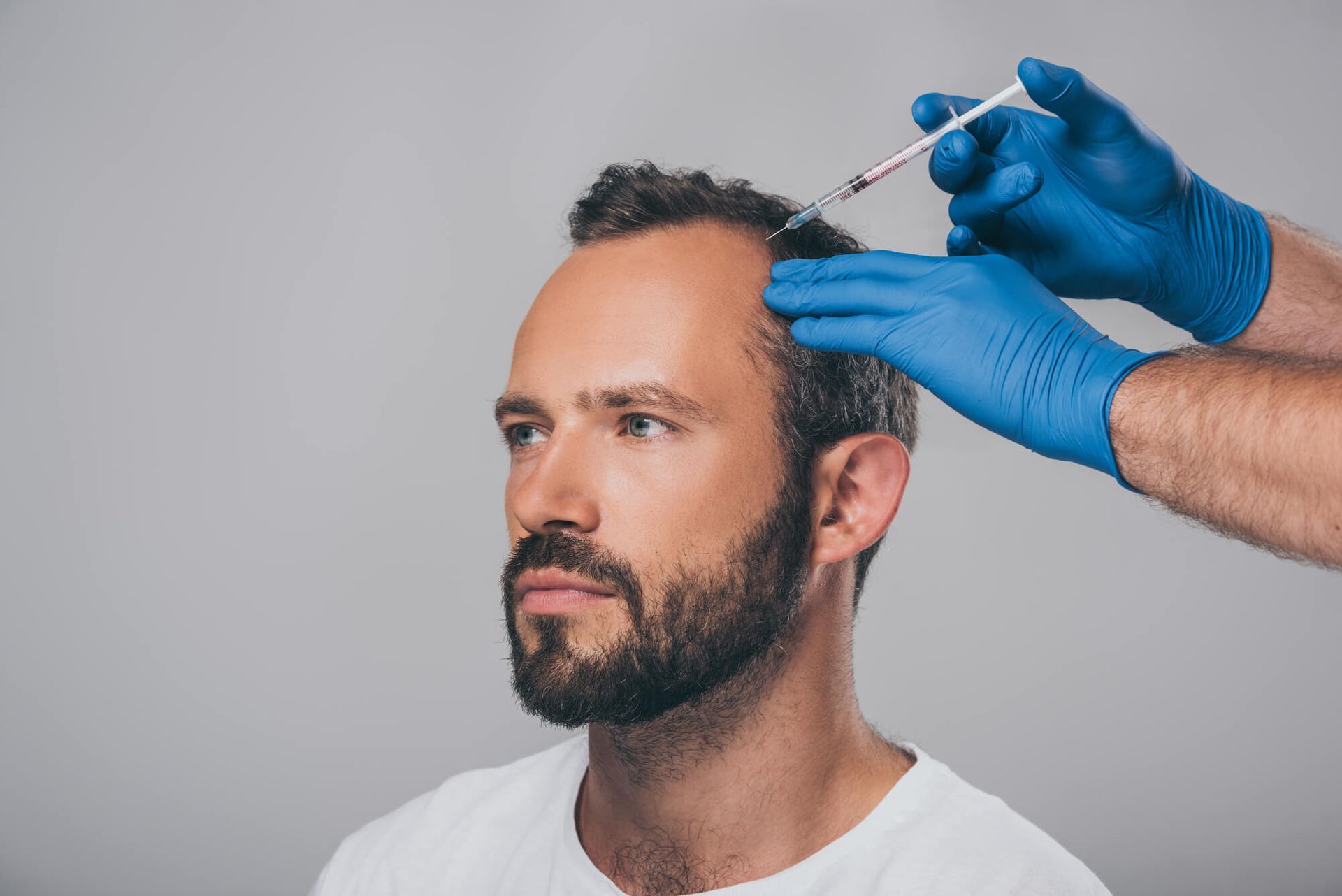
Exomide is a topical exosome-based treatment applied to the scalp, often combined with procedures like microneedling to enhance penetration.
Unlike traditional therapies, this approach works at a cellular level, supporting:
- Hair follicle regeneration
- Increased hair density
- Improved scalp health
- Reduction in hair thinning
Exosomes help stimulate dormant or weakened follicles, encouraging them to re-enter the active growth phase.
How Does Exosome Hair Therapy Work?
Exosomes influence the hair growth cycle through several key mechanisms:
1. Activation of Hair Follicle Stem Cells
They stimulate dermal papilla cells and follicular stem cells, which are essential for new hair growth.
2. Prolonging the Growth Phase (Anagen)
Exosomes help extend the active growth phase and delay shedding (telogen phase).
3. Improving Blood Supply
They promote angiogenesis (formation of new blood vessels), improving nutrient delivery to follicles.
4. Reducing Inflammation
Exosomes modulate inflammatory pathways, creating a healthier scalp environment for growth.
Treatment Protocol (Typical Guide)
Protocols may vary depending on the clinic and individual assessment, but commonly include:
Initial Phase
- 3–4 treatments
- Spaced 2–4 weeks apart
Maintenance Phase
- Every 3–6 months
Procedure
- Scalp preparation
- Microneedling or skin channels created
- Topical application of exosomes
- Minimal downtime
Exomide is often used as an adjunct to enhance outcomes from other treatments.
Who Is It Suitable For?
Exosome hair therapy may be suitable for:
- Early to moderate hair thinning
- Androgenetic alopecia (pattern hair loss)
- Post-partum or stress-related shedding
- Patients wanting non-surgical options
Best results occur when hair follicles are still active.
Contraindications
Treatment may not be suitable for:
- Active scalp infections or inflammation
- Autoimmune scalp conditions (e.g. active alopecia areata)
- Completely bald areas with inactive follicles
- Pregnancy or breastfeeding (precautionary)
- Certain medical conditions (requires assessment)
A thorough consultation is essential to determine suitability.
Risks and Side Effects
Exosome therapy is generally well tolerated, but potential side effects include:
- Mild redness or irritation
- Temporary swelling or tenderness
- Itching during healing
These typically resolve within 24–48 hours.
Important consideration:
Because exosomes are often derived from external sources, there is a
theoretical risk of immune reaction or contamination if products are not properly regulated or handled.
What Does the Research Say?
Exosome therapy is one of the most exciting developments in regenerative aesthetics, but it is still an evolving field.
Current evidence shows:
- Increased hair density and thickness in early studies
- Stimulation of follicle growth and regeneration pathways
- Promising results compared to traditional therapies in some studies
However:
- Human clinical data is still limited
- Long-term safety and standardised protocols are still being established
- No globally standardised regulatory approval for many products
Exosomes vs Traditional Hair Treatments
Treatment Mechanism Key Benefit
Minoxidil Improves blood flow Slows hair loss
PRP Uses patient’s growth factors Stimulates healing
Exosomes Cellular signalling & regeneration Targets follicle activation
Exosomes are often positioned as a next-generation regenerative option, rather than a replacement for all treatments.
Final Thoughts
Exosome-based hair restoration, including Exomide, represents a shift toward regenerative, cell-signalling therapies in aesthetics.
It offers a promising option for patients seeking:
- Non-surgical hair restoration
- Improved scalp health
- Early intervention for thinning hair
However, it is important to understand that:
- Results vary
- Ongoing treatments may be required
- Evidence is still emerging
Important Medical Disclaimer
This information is general in nature and does not constitute medical advice.
Individual results vary. A thorough consultation is required to assess suitability, risks, and expected outcomes. All medical and cosmetic procedures carry potential risks.