Ozempic Face: Why Rapid Weight Loss Can Age the Face — And What You Can Do About It
The rise of weight loss medications… and an unexpected aesthetic concern

Weight loss medications such as semaglutide (commonly known as Ozempic/Wegovy) and other GLP-1 therapies have transformed the way we approach weight management. While the health benefits can be significant, many patients are now noticing changes in their face during or after weight loss — often referred to as “Ozempic face.”
It’s important to understand that this is not caused by the medication itself, but rather by rapid weight loss — something we also see after bariatric surgery or strict dieting.
What is “Ozempic face”?
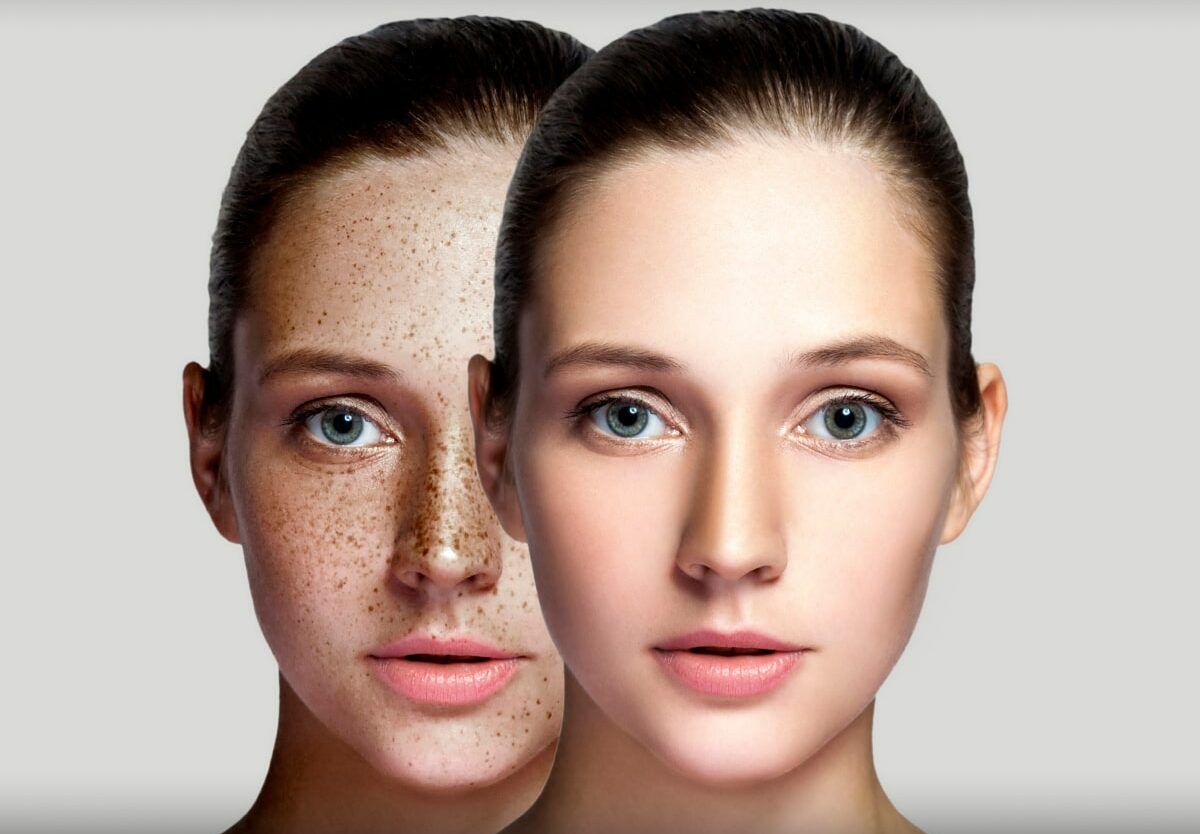
“Ozempic face” is a non-medical term used to describe the visible ageing changes that occur when facial fat is lost quickly.
Common features include:
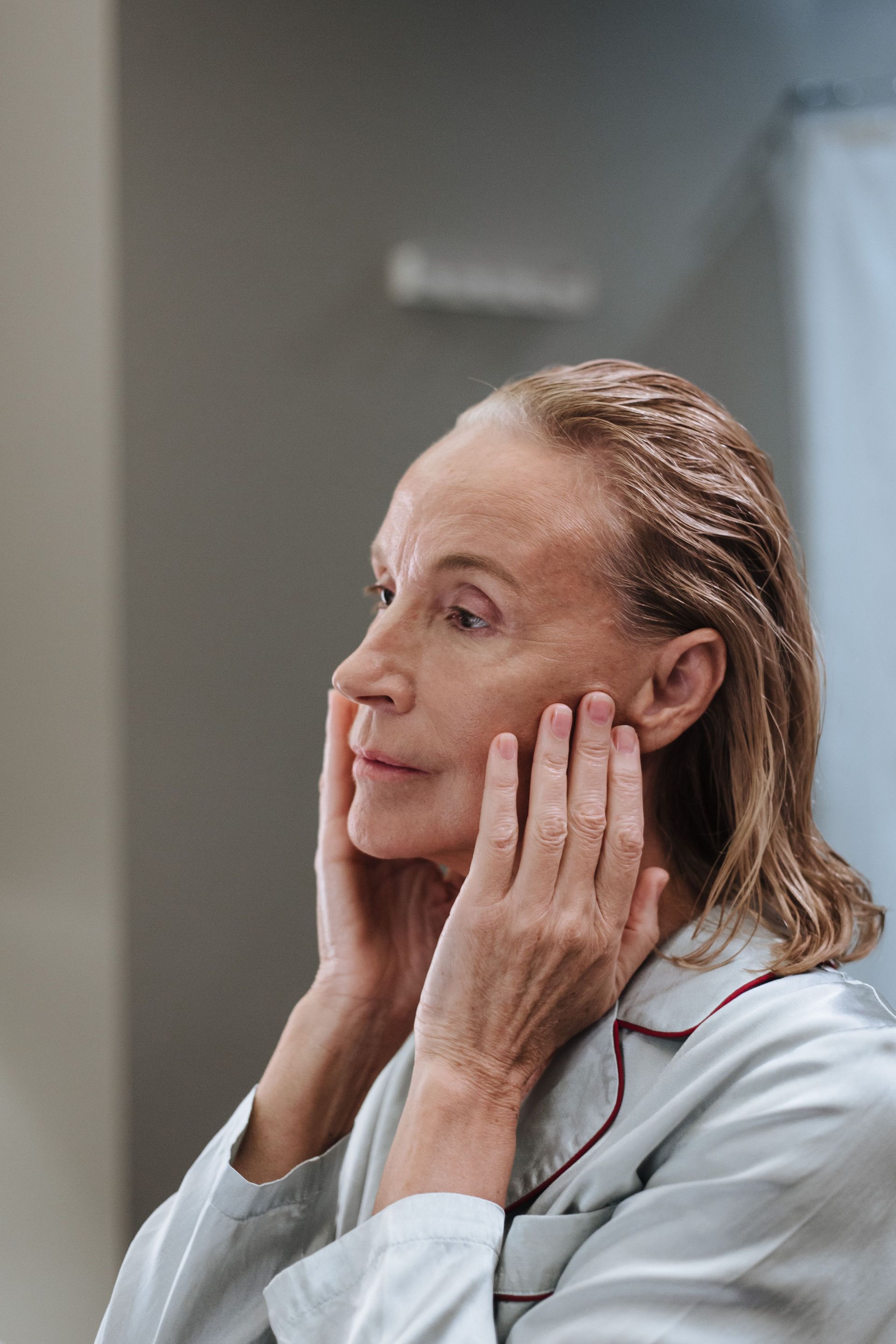
- Hollow or sunken cheeks
- Increased lines and wrinkles
- Loose or sagging skin
- More prominent jowls and nasolabial folds
- Thinning lips and under-eye hollowing
These changes occur because facial fat provides structural support, softness, and youthful volume — and when it disappears quickly, the skin can’t always adapt in time.
Why does it make the face look older? (The science explained simply)
1. Loss of facial fat (volume loss)
Facial fat pads act like internal “scaffolding.” Rapid fat loss leads to:
- Hollowing
- Shadowing
- Structural collapse
This is the biggest contributor to the “aged” look.
2. Reduced collagen and elastin
Rapid weight loss can:
- Reduce collagen (structure)
- Reduce elastin (bounce)
This leads to thinner, less resilient skin and more visible wrinkles.
3. Skin laxity (loose skin)
When weight loss happens quickly, the skin doesn’t have time to contract:
- Skin becomes loose or “crepey”
- Jowls and neck laxity become more obvious
4. Age matters
Patients 35+ are more affected because:
- Natural collagen decline is already occurring
- Fat pads are already reducing with age
So weight loss accelerates an existing ageing process
Is this preventable?
To some degree — yes.
Evidence and expert consensus suggest:
- Slower weight loss (1–2 lbs/week) reduces visible ageing
- Adequate protein intake + resistance training helps maintain structure
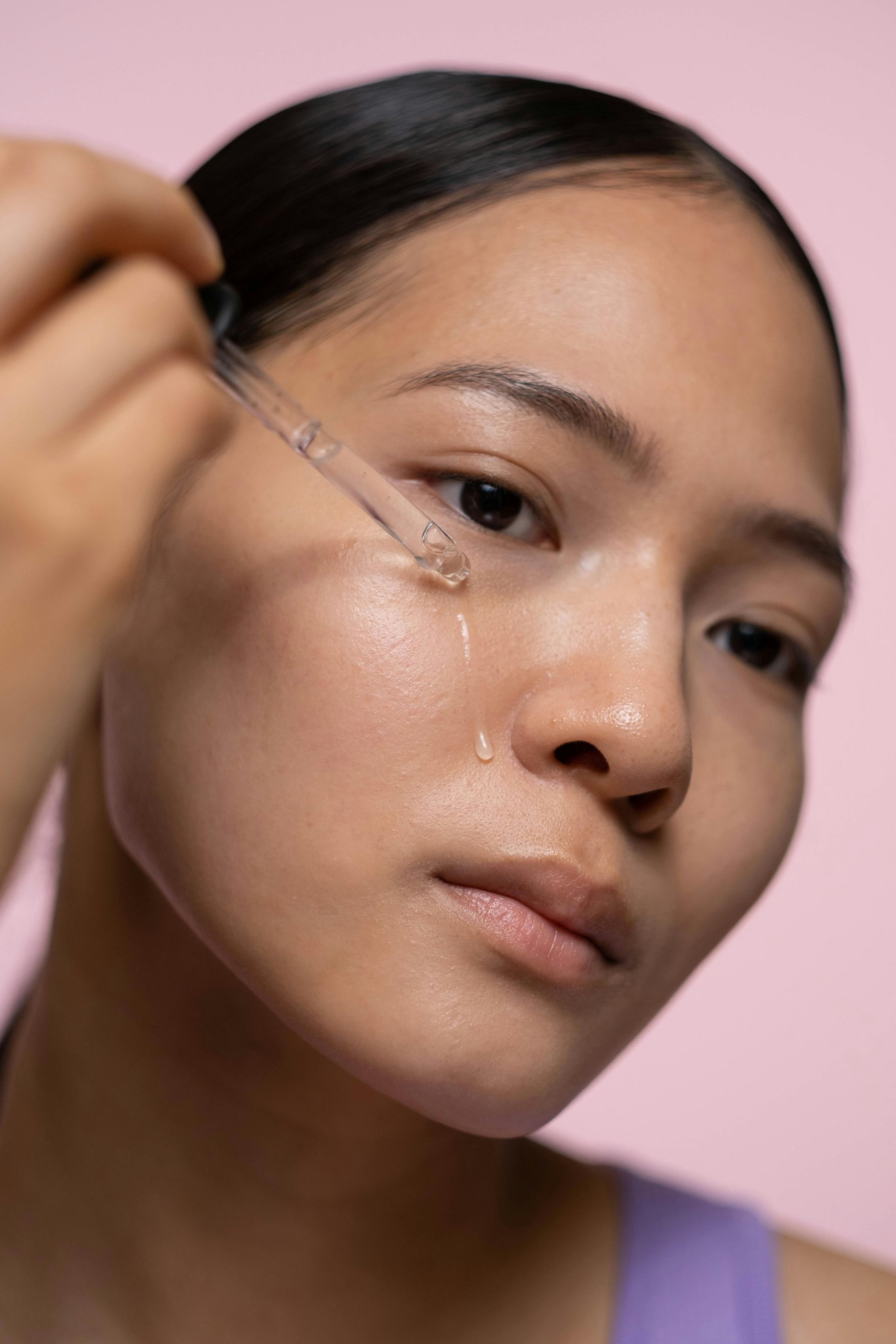
- Hydration and skincare support elasticity
However, even with optimal management, some facial changes are expected with significant weight loss.
When should patients start treating “Ozempic face”?
This is one of the most important clinical questions.
Some suggest: Treat once weight is stable
- Avoid treating too early while weight is still dropping
- Overfilling or overtreatment is a real risk
- Facial structure is still changing during weight loss
Most patients should wait until:
- Weight has stabilised for 3–6 months
- Nutritional status is optimised
This ensures:
- Better aesthetic outcomes
- More precise treatment planning
However:
There is a growing belief that facial changes associated with rapid weight loss should be addressed during the weight loss phase rather than waiting until the end, with the aim of maintaining facial support and preventing more significant volume loss. The idea is that early, conservative intervention may help preserve structure and skin quality as the face changes.
However, this approach needs to be undertaken cautiously, as facial anatomy is still evolving during active weight loss, and premature treatment may lead to imbalance or overcorrection. A personalised, staged plan with careful assessment is essential.
This is why a consultation with a professional is necessary to decide which approach is recommended for you.
Recommended treatment approach (layered and natural)
Treatment should always be individualised and based on anatomy, age, and degree of volume loss.
1. Skin quality first (foundation treatments)
- Skin needling / collagen induction therapy
- Radiofrequency skin tightening
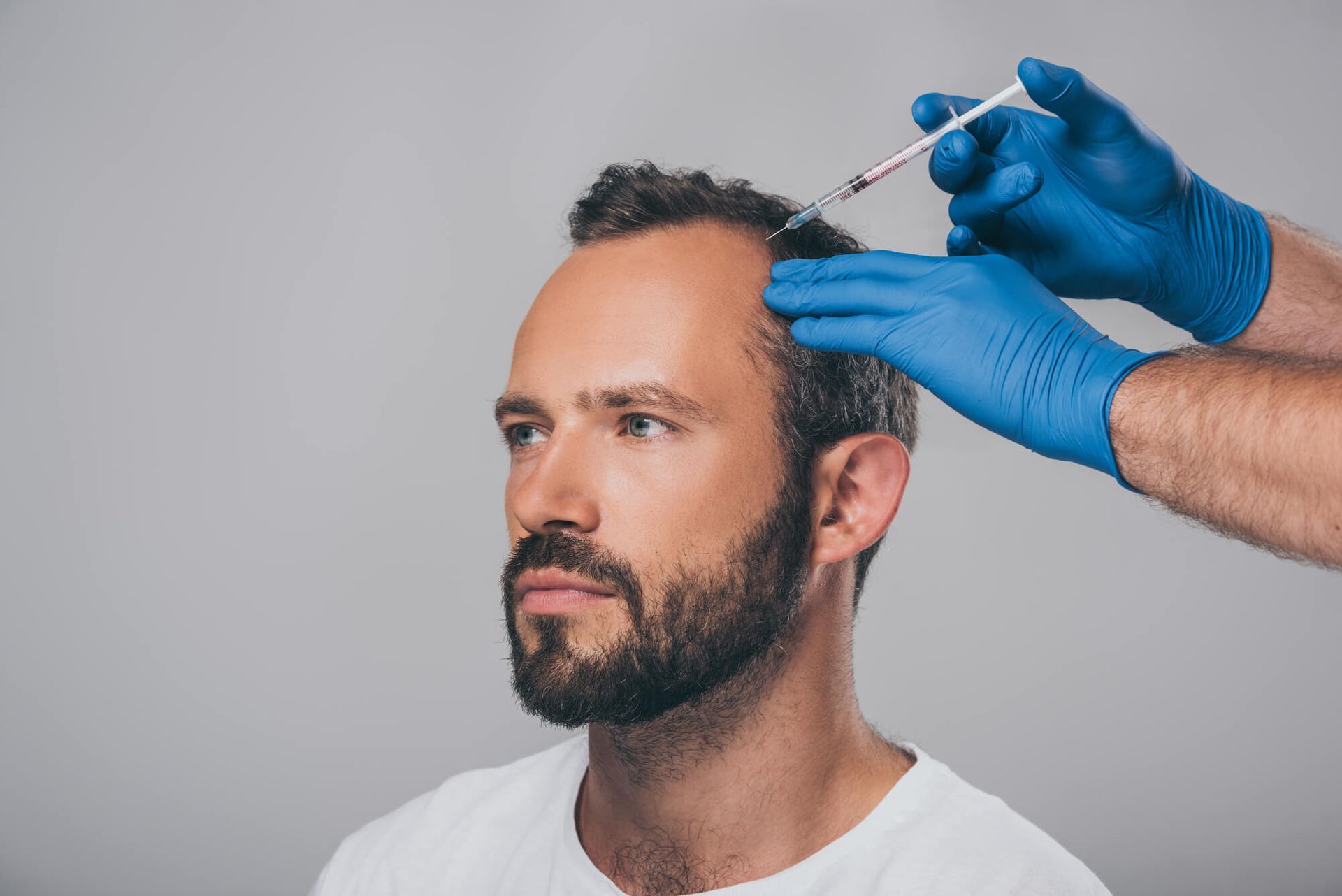
- PRP (platelet-rich plasma)
- Bio-regenerative treatments (collagen stimulation focus)
These improve:
- Dermal thickness
- Elasticity
- Hydration
2. Volume restoration (structure)
- Dermal fillers (strategic, conservative placement)
- Biostimulatory treatments (collagen stimulators)
Focus areas:
- Midface (cheeks)
- Temples
- Jawline support
Goal: restore structure, not overfill
3. Muscle balance (dynamic ageing)
- Wrinkle-reducing treatments for:
- Crow’s feet
- forehead lines
- downturned mouth
4. Advanced options (for significant laxity)
- Fat grafting
- Surgical lifting procedures (in selected patients)
A key clinical insight: Less is more
Patients often request:
“Just fill my face back up”
But the reality is:
- Overfilling leads to an unnatural appearance
- Volume must be restored in proportion to new facial structure
The best results come from:
✔ Combination treatments
✔ Gradual correction
✔ Respecting anatomy
The takeaway for patients
- “Ozempic face” is not dangerous, but it is a common aesthetic concern
- It is primarily caused by rapid fat loss and reduced skin support
- Prevention = slower weight loss + good nutrition
- Treatment = staged, personalised, and timed correctly
Final thoughts
Weight loss medications can be life-changing for many patients and should not be avoided due to cosmetic concerns alone.
However, understanding how weight loss affects the face allows us to:
- Plan early
- Treat appropriately
- Maintain natural, healthy results
Disclaimer
All cosmetic treatments carry risks and require a thorough consultation with a qualified healthcare professional. Individual results vary, and treatment suitability must be assessed on a case-by-case basis.