PRP for Hair Restoration: What You Need to Know
Exploring the Science Behind Platelet-Rich Plasma for Thinning Hair and Hair Loss
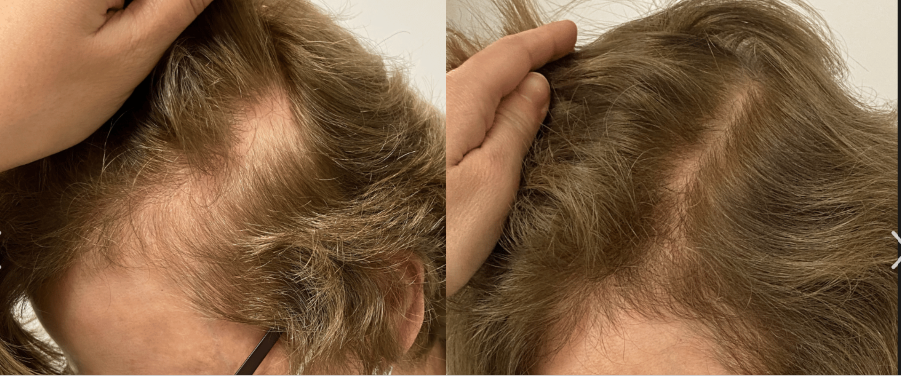
Hair loss can affect confidence, self-esteem and quality of life for both men and women. One of the most talked-about regenerative treatments in hair restoration today is Platelet-Rich Plasma (PRP) therapy. PRP uses components from your own blood to stimulate hair follicles and support healthier hair growth.
As research into regenerative medicine continues to grow, PRP has become an increasingly popular non-surgical option for people experiencing thinning hair, androgenetic alopecia (male and female pattern hair loss), and early stages of hair shedding.
What is PRP?
Platelet-Rich Plasma (PRP) is a concentrated portion of your own blood that contains high levels of platelets and growth factors. Platelets are best known for helping the body heal injuries, but they also release proteins and signalling molecules that may assist with tissue repair, blood vessel formation and cell regeneration.
During a PRP treatment:
- A small amount of your blood is collected
- The blood is spun in a centrifuge to separate the platelet-rich plasma
- The concentrated PRP is injected into targeted areas of the scalp
The goal is to stimulate weakened or dormant hair follicles and improve the environment around the follicle to support healthier hair growth.
How Does PRP Work for Hair Loss?
Hair follicles require a healthy blood supply, nutrients and cellular signalling to remain in the active growth phase (anagen phase). PRP contains growth factors that may help:
- Stimulate dormant hair follicles
- Increase blood supply to the scalp
- Reduce inflammation around follicles
- Support collagen production and tissue repair
- Extend the hair growth phase
- Improve hair shaft thickness and density
Research suggests PRP may activate stem cells within the hair follicle and encourage follicles to remain active for longer periods.
What Type of Hair Loss Can PRP Help?
PRP is most commonly used for:
- Male pattern hair loss (androgenetic alopecia)
- Female pattern hair loss
- General hair thinning
- Early-stage hair shedding
- Hair quality support following stress-related shedding
- Adjunct support after hair transplantation procedures
PRP tends to work best when hair follicles are still present but weakened or miniaturised. Areas of complete baldness where follicles are no longer active may respond less effectively.
What Does the Research Say?
Research into PRP for hair restoration has expanded significantly over the past decade. Multiple systematic reviews and meta-analyses have reported improvements in hair density, reduced shedding and increased patient satisfaction following PRP treatments.
Recent reviews published in 2025 found:
- PRP improved hair density and reduced hair loss in many patients with androgenetic alopecia
- PRP was generally considered safe with minimal serious adverse effects
- Combination therapies using PRP with treatments such as minoxidil may enhance results
- Patients often experienced better outcomes when treatment began earlier in the hair loss process
Some studies have shown statistically significant increases in hair density after 3–6 months of treatment compared with placebo.
However, researchers also note that PRP protocols vary considerably between clinics, including differences in preparation methods, platelet concentration and treatment schedules. More standardised long-term studies are still needed.
What Happens During Treatment?
A PRP hair restoration appointment generally takes around 45–60 minutes.
The procedure usually involves:
- Consultation and scalp assessment
- Blood collection
- Centrifugation process to isolate PRP
- Cleansing of the scalp
- Multiple small injections into targeted scalp areas
Some clinics may combine PRP with microneedling or other regenerative therapies depending on the individual treatment plan.
How Many Treatments Are Needed?
Treatment plans vary depending on the degree of hair loss and individual response, but a common protocol includes:
- 3–4 initial sessions spaced 4–6 weeks apart
- Maintenance treatments every 4–12 months
Hair growth is gradual, and most people require ongoing maintenance to support results.
When Will I See Results?
Hair restoration takes time because hair grows in cycles.
Many patients notice:
- Reduced hair shedding within the first few months
- Improvement in hair texture and quality
- Increased density and thickness over 3–6 months
- Continued improvement with ongoing treatments
Results vary significantly between individuals depending on genetics, age, hormones, underlying health conditions and consistency of treatment.
Benefits of PRP Hair Restoration
Potential benefits may include:
- Non-surgical treatment option
- Uses your body’s own blood components
- Minimal downtime
- May improve hair density and thickness
- Suitable for both men and women
- Can be combined with other therapies
- Generally well tolerated
Risks and Side Effects
As PRP uses your own blood, the risk of allergic reaction is low. However, side effects and risks can still occur.
Possible side effects include:
- Temporary scalp tenderness
- Redness or swelling
- Bruising
- Mild discomfort during injections
- Headache
- Temporary shedding after treatment
Rare complications may include infection or injury if not performed correctly.
Contraindications
PRP may not be suitable for everyone. Contraindications can include:
- Active scalp infection
- Certain blood disorders
- Platelet dysfunction syndromes
- Anticoagulant therapy
- Active cancer
- Severe uncontrolled medical conditions
- Pregnancy or breastfeeding (depending on practitioner guidance)
A thorough consultation and medical history assessment is essential prior to treatment.
Can PRP Be Combined with Other Hair Treatments?
PRP is often used alongside other evidence-based hair restoration strategies, including:
- Topical hair growth products
- Oral prescription medications prescribed by a doctor
- Microneedling
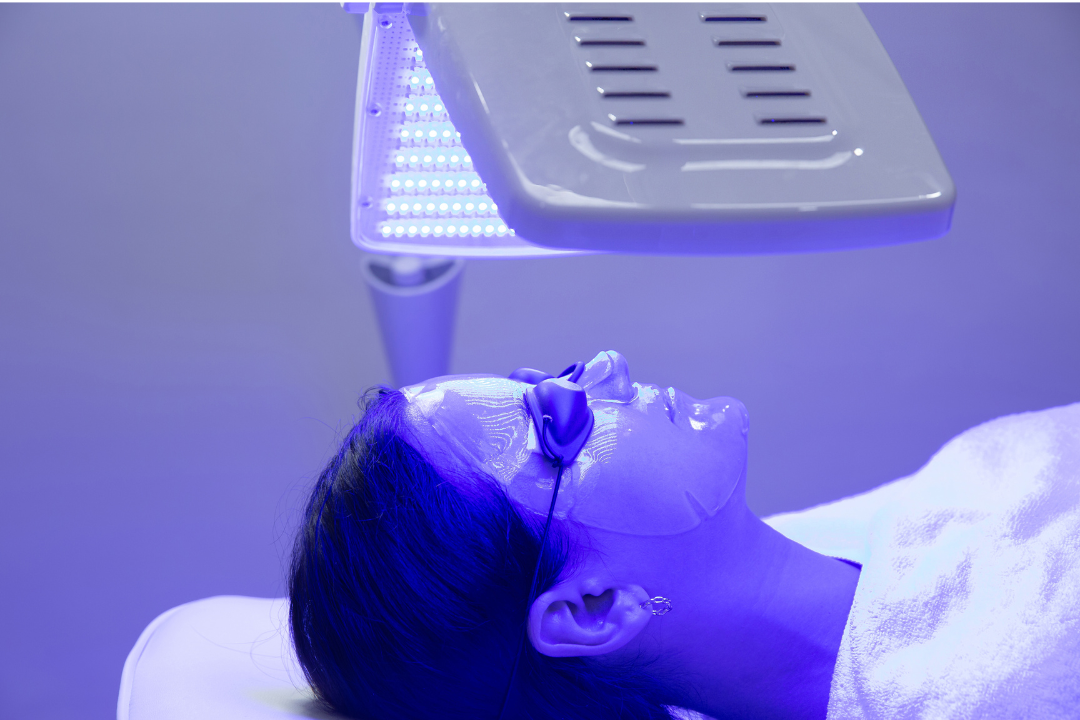
- LED light therapy
- Nutritional support
- Hair transplantation procedures
Combination approaches may provide enhanced outcomes in some individuals.
Is PRP Worth It?
PRP is not a miracle cure for hair loss, but growing evidence suggests it can be a valuable regenerative treatment option for suitable candidates — particularly in the earlier stages of hair thinning. Many patients seek PRP because it is minimally invasive, uses the body’s own regenerative components and can support overall scalp and follicle health.
As with all hair restoration treatments, realistic expectations are important. Results vary, and maintaining improvements often requires ongoing treatment and a personalised long-term plan.
A consultation with a qualified medical professional can help determine whether PRP may be appropriate for your hair concerns.