Copper Peptides for Skin: What They Are, Benefits, Risks & How to Use Them
How Copper Peptides Support Skin Repair, Collagen Production and Long-Term Skin Health
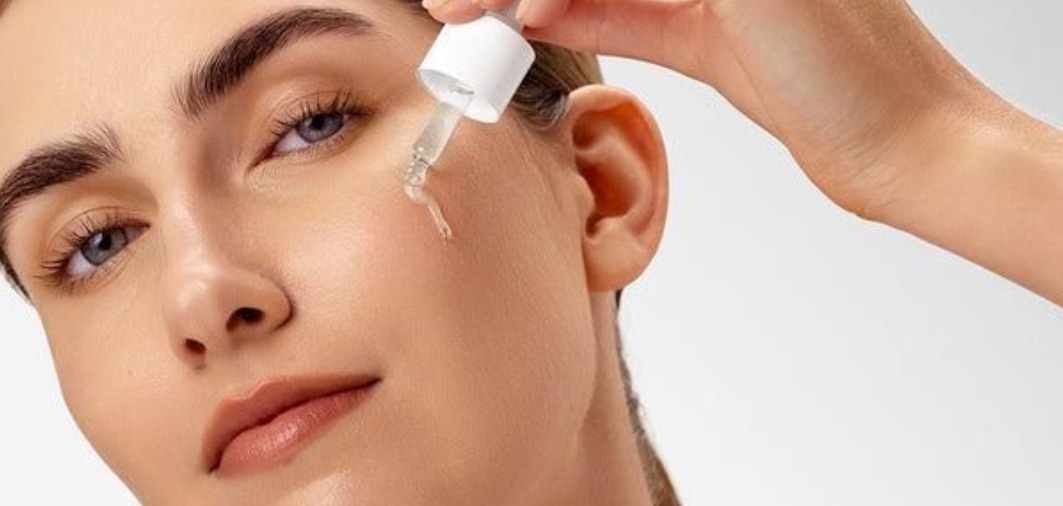
Copper peptides have become one of the most talked-about ingredients in modern skincare, especially in the world of anti-ageing and skin regeneration. But what are they really, and do they live up to the hype?
Let’s break it down in simple, evidence-based terms.
What Are Copper Peptides?
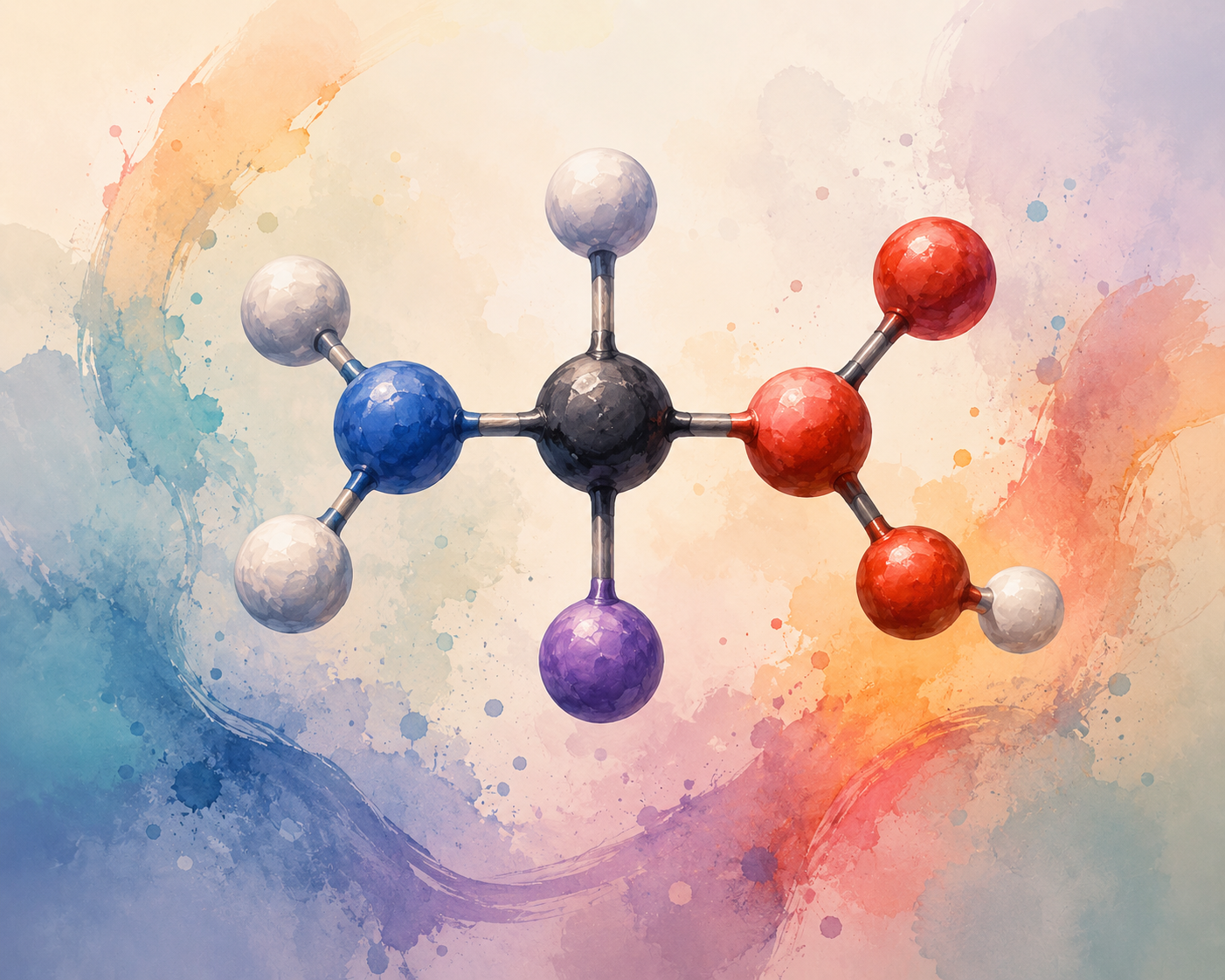
Copper peptides (most commonly known as GHK-Cu) are naturally occurring molecules made up of a small protein fragment (peptide) bound to copper.
They exist in the body and play an important role in:
- Skin repair
- Wound healing
- Collagen and elastin production
As we age, our natural levels of these peptides decline, which contributes to slower healing, reduced collagen, and thinner skin.
In skincare, copper peptides act as “signal molecules”, telling your skin to repair and regenerate itself.
What Do Copper Peptides Do for the Skin?
Copper peptides are best described as skin-supporting and regenerative, rather than aggressive resurfacing ingredients.
1. Stimulate Collagen & Elastin
They activate fibroblasts (your collagen-producing cells), helping improve:
- Skin firmness
- Elasticity
- Fine lines and wrinkles
2. Improve Skin Healing & Repair
One of their strongest areas of evidence is wound healing and tissue repair.
This makes them particularly useful for:
- Post-procedure skin (needling, peels, laser)
- Barrier repair
- Sensitive or compromised skin
3. Reduce Inflammation
Copper peptides have anti-inflammatory properties, helping calm:
- Redness
- Irritation
- Environmental stress damage
4. Strengthen the Skin Barrier
They help rebuild the extracellular matrix (the “scaffolding” of your skin), improving:
- Skin resilience
- Hydration
- Overall skin quality
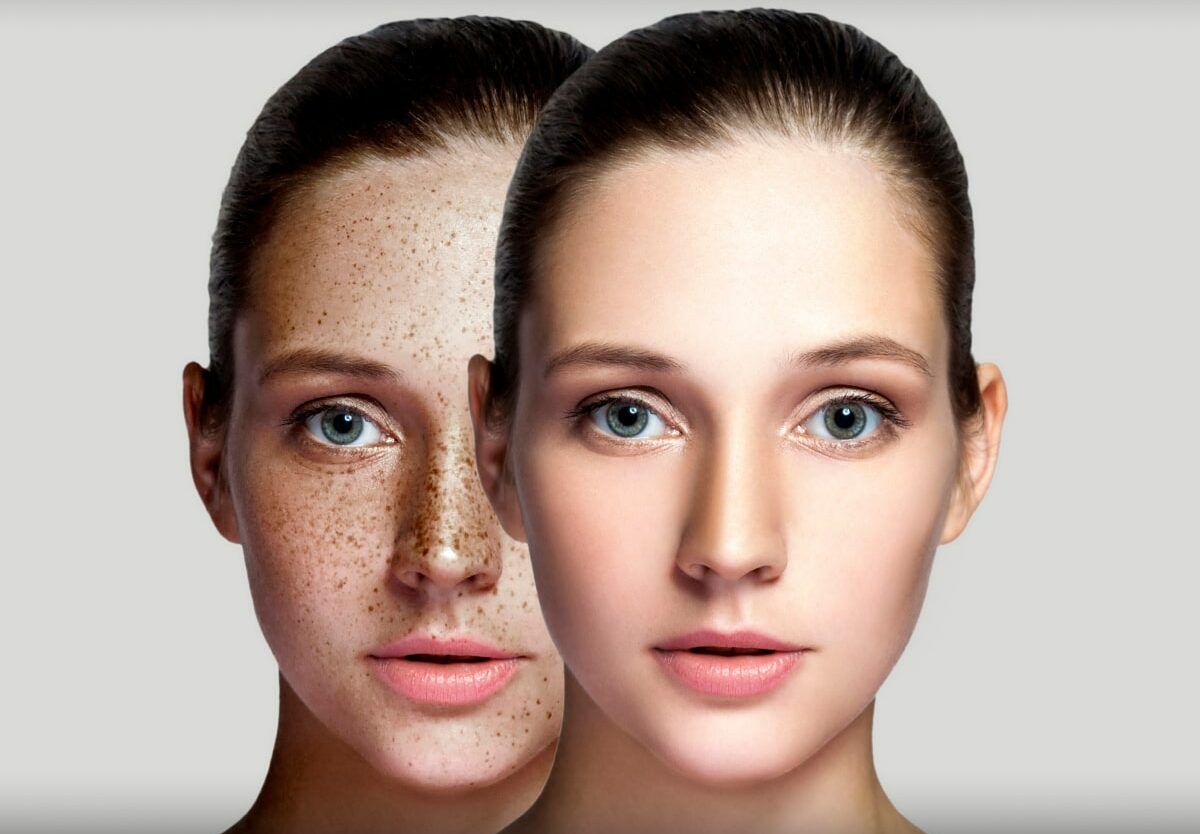
5. Improve Skin Tone & Texture
By supporting regeneration, they can help:
- Soften acne scarring
- Improve uneven skin tone
- Reduce photodamage
Where Do Copper Peptides Fit in a Skin Routine?
Think of copper peptides as “skin trainers” rather than “quick fixers.”
They work best for:
- Early ageing
- Skin maintenance
- Supporting other treatments
- Long-term skin health
They are commonly found in:
- Serums
- Moisturisers
- Post-treatment repair products
Are Copper Peptides Better Than Retinol or Vitamin C?
Not exactly—they do something different.
- Retinol → stimulates cell turnover
- Vitamin C → antioxidant + pigmentation
- Copper peptides → repair, strengthen, regenerate
They are best used as a supportive ingredient, not a replacement.
Risks & Side Effects
Copper peptides are generally considered safe and well tolerated, even for sensitive skin.
However, there are some important considerations:
Possible Side Effects
- Mild irritation, redness or itching
- Breakouts in some individuals
- Temporary skin congestion
Ingredient Conflicts
Copper peptides may be less effective when used at the same time as:
- Vitamin C (L-ascorbic acid)
- Retinol
- Strong acids (AHAs/BHAs)
Best approach: alternate use (AM/PM or different days)
Contraindications & Cautions
Copper peptides should be used with care in:
- Highly reactive or compromised skin (introduce slowly)
- Active inflammatory skin conditions (may flare in some cases)
- Patients using multiple strong actives simultaneously
As always: a personalised consultation is recommended to ensure suitability for your skin.
What to Look for in Copper Peptide Skincare
When choosing a product, look for:
- Stable formulations (peptides can be fragile)
- Supporting ingredients like:
- Hyaluronic acid
- Ceramides
- Niacinamide
- Serum-based delivery for better penetration
Example: Copper Peptides in Professional Skincare
Brands like Re-Dox Skincare incorporate advanced peptide technology into their formulations, combining:
- Barrier-supporting ingredients
- Hydration boosters
- Regenerative actives
This type of formulation approach aligns well with how copper peptides perform best—supporting the skin, not overstimulating it.
Final Thoughts
Copper peptides are not a “miracle” ingredient—but they are one of the most intelligent additions to a long-term skin strategy.
They work by:
- Supporting your skin’s natural repair processes
- Improving resilience over time
- Enhancing the results of other treatments
If your goal is healthy, strong, well-functioning skin as you age, copper peptides are absolutely worth considering.