Menopause & Skin: What Happens to Your Skin After 40?
Why your skin changes through perimenopause and menopause — and how to support it at every stage.
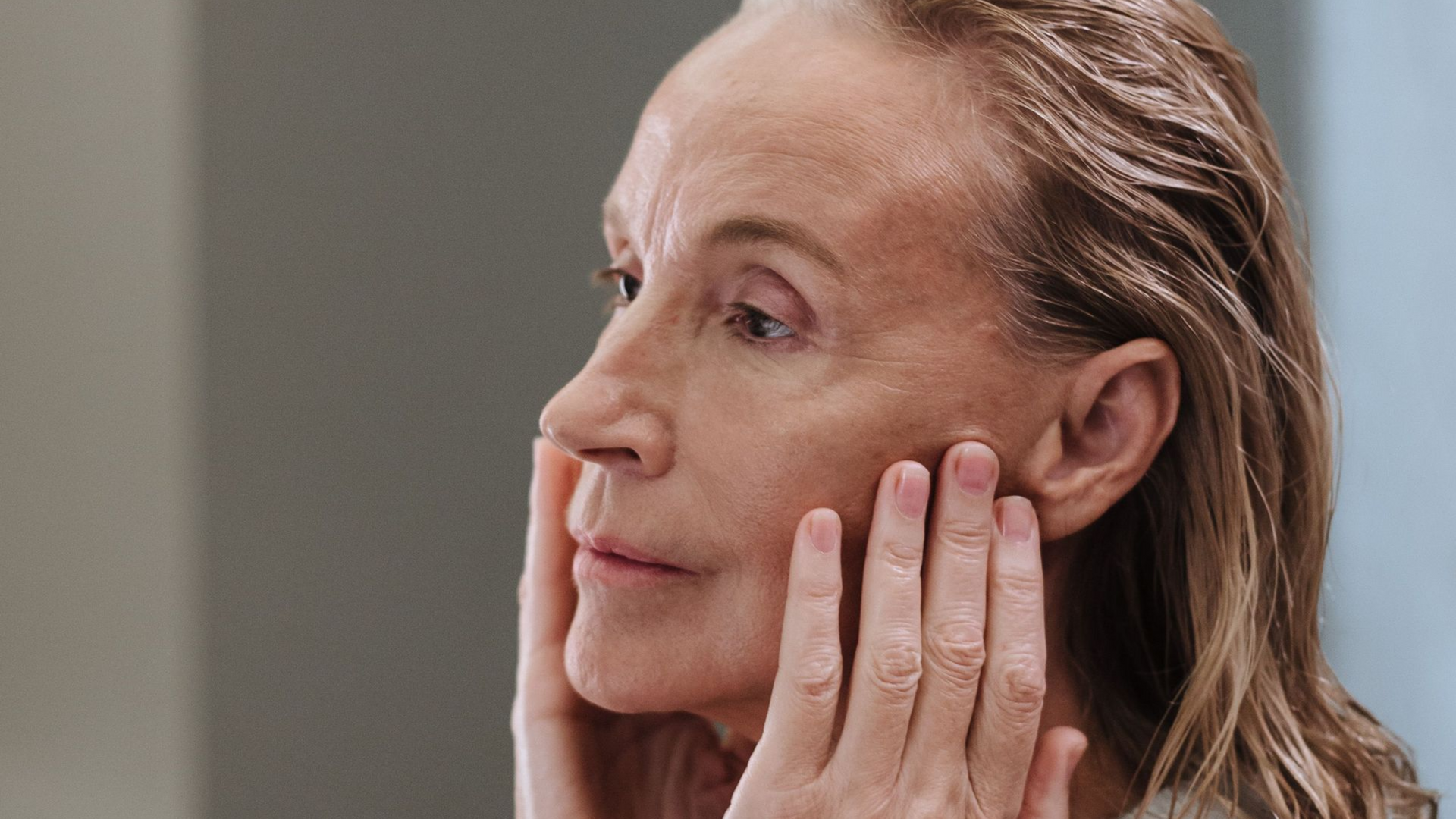
Have you ever looked in the mirror and thought, “Why does my skin suddenly look different?”
Perhaps your skin feels drier than it used to. Fine lines seem more noticeable, your face doesn't feel quite as firm, pigmentation is appearing, or products you've happily used for years suddenly don't seem to work the same way.
For many women, these changes become noticeable during their 40s and 50s — and hormones can be an important part of the story.
While skin ageing is influenced by many factors, including genetics, sun exposure, lifestyle and environmental damage, the hormonal changes associated with perimenopause and menopause can have a significant effect on the structure, hydration and overall quality of our skin.
Your Skin Is Hormone-Responsive
We often think about oestrogen in relation to reproductive health, but oestrogen also plays an important role in the skin.
Our skin contains oestrogen receptors, and oestrogen influences processes involved in collagen production, hydration, elasticity, sebum production, skin thickness and wound healing.
As we move through perimenopause and towards menopause, oestrogen levels fluctuate and eventually decline.
And our skin can notice the difference.
So, What Actually Happens to the Skin?
1. Collagen begins to decline
Collagen provides much of the structural framework that helps give our skin its firmness and strength.
Collagen naturally decreases as we age, but declining oestrogen around menopause is associated with additional changes in dermal collagen.
As this structural support decreases, we may begin to notice:
- finer, thinner-looking skin
- increased lines and wrinkles
- reduced firmness
- changes in facial contours
- increased skin laxity.
This is one reason why simply treating an individual wrinkle doesn't necessarily address what is happening to the skin as a whole.
For mature skin, skin quality and structural support become increasingly important considerations.
2. Skin can become noticeably drier
One of the most common changes women notice during perimenopause and menopause is dryness.
Oestrogen contributes to water retention, glycosaminoglycan production, sebum production and normal skin-barrier function.
As oestrogen declines, skin may retain moisture less effectively.
You might notice that your skin:
- feels tight after cleansing
- becomes dry or flaky
- feels rougher
- needs richer moisturisers than it once did
- becomes irritated more easily
- no longer tolerates certain active skincare ingredients.
If the skincare routine you've used for years suddenly isn't working, your skin hasn't necessarily become “bad” — its needs may simply have changed.
3. Skin becomes thinner and more fragile
Another important change is a gradual reduction in skin thickness.
Combined with changes in collagen and elasticity, this can make mature skin more delicate.
Some women notice that their skin bruises more easily or takes longer to recover following irritation or injury.
This is particularly important when considering aesthetic treatments. Treatment plans for mature skin should take into account skin thickness, barrier health, healing capacity and the individual's overall skin condition, rather than simply treating a line or area in isolation.
4. Elasticity changes
Collagen isn't the only structural component affected by ageing and hormonal change.
Changes to elastin and the extracellular matrix can affect the skin's ability to stretch and return to its previous position.
This can contribute to the gradual development of laxity around areas such as the:
- cheeks
- jawline
- mouth
- neck
- décolletage.
This is why my approach to ageing skin increasingly focuses on supporting the skin itself, rather than chasing individual lines.
5. Your skin barrier may need more support
Your skin barrier is essentially your protective outer layer.
It helps keep moisture in while helping protect the skin from environmental irritants.
During menopause, changes in hydration, lipids and sebum can contribute to increased dryness and sensitivity.
This means that using more and more active ingredients isn't necessarily the answer.
Sometimes mature skin needs less irritation and more support.
A good skincare plan may include gentle cleansing, appropriate moisturisation, barrier-supporting ingredients, antioxidants where appropriate and — importantly — daily broad-spectrum sunscreen.
6. Pigmentation can become more noticeable
Hormones aren't the only factor involved in pigmentation — cumulative sun exposure plays an enormous role.
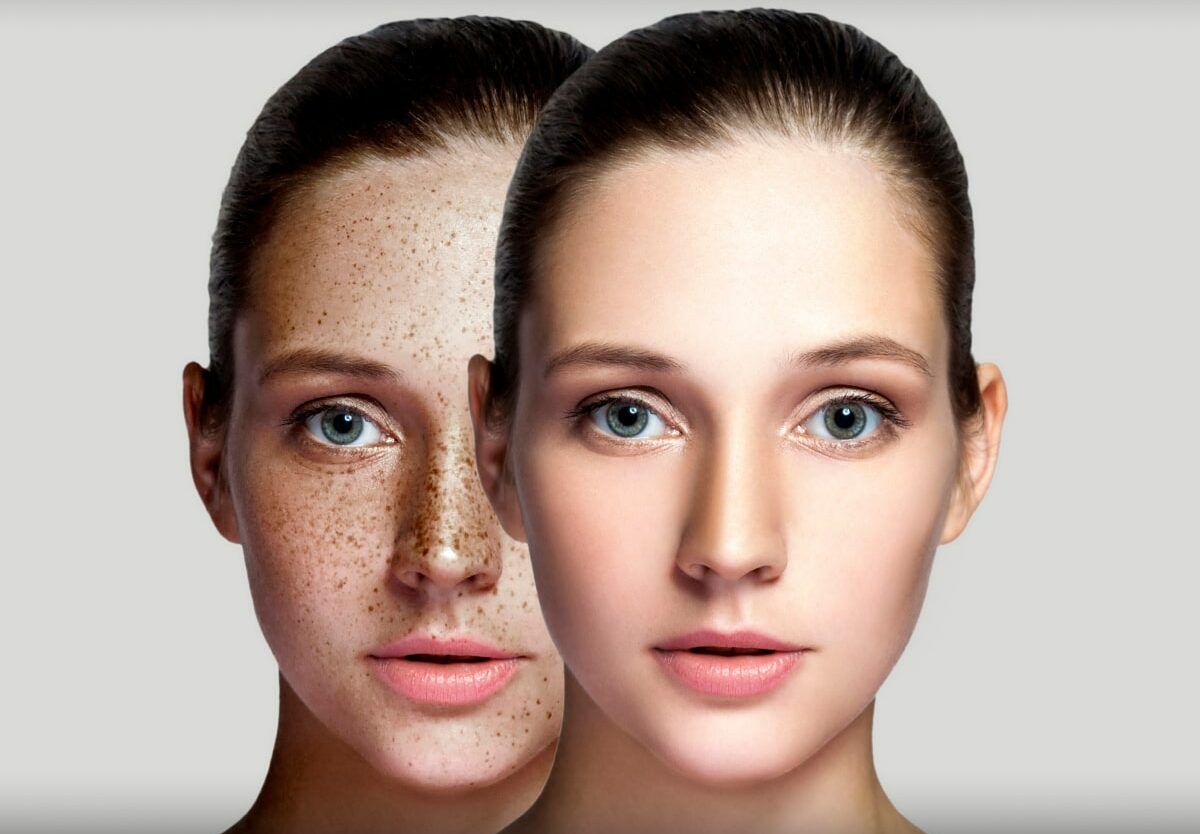
By our 40s and 50s, decades of UV exposure may begin to become increasingly visible as uneven pigmentation, sun spots and changes in overall skin tone.
Hormonal fluctuations may also influence some pigmentary conditions.
This is another reason why SPF isn't just about preventing sunburn. Consistent sun protection is one of the most important things we can do to help protect our skin from further UV-related ageing and pigmentation.
7. Your face may look different even when your skin is healthy
There is another part of ageing that skincare alone cannot explain.
Our faces change at multiple levels over time.
Changes can occur in skin, fat compartments, muscle and underlying bone. This means the face we see at 45 or 55 naturally won't have exactly the same contours it had at 25.
And that's normal.
The goal doesn't need to be trying to recreate a younger version of ourselves.
For me, aesthetic medicine should be about understanding what has changed and why, then deciding whether there are appropriate ways to support healthy skin while still allowing you to look like yourself.
So, What Can We Do for Menopausal Skin?
There isn't one “best treatment” for women over 40.
And there shouldn't be.
Someone experiencing primarily dryness and barrier disruption needs a very different approach from someone concerned about pigmentation, textural changes, acne scarring or loss of skin firmness.
Depending on the individual, a skin plan may consider options designed to support:
Hydration and barrier function
Appropriate home skincare and professional skin treatments can help support hydration and barrier health.
Collagen and skin remodelling
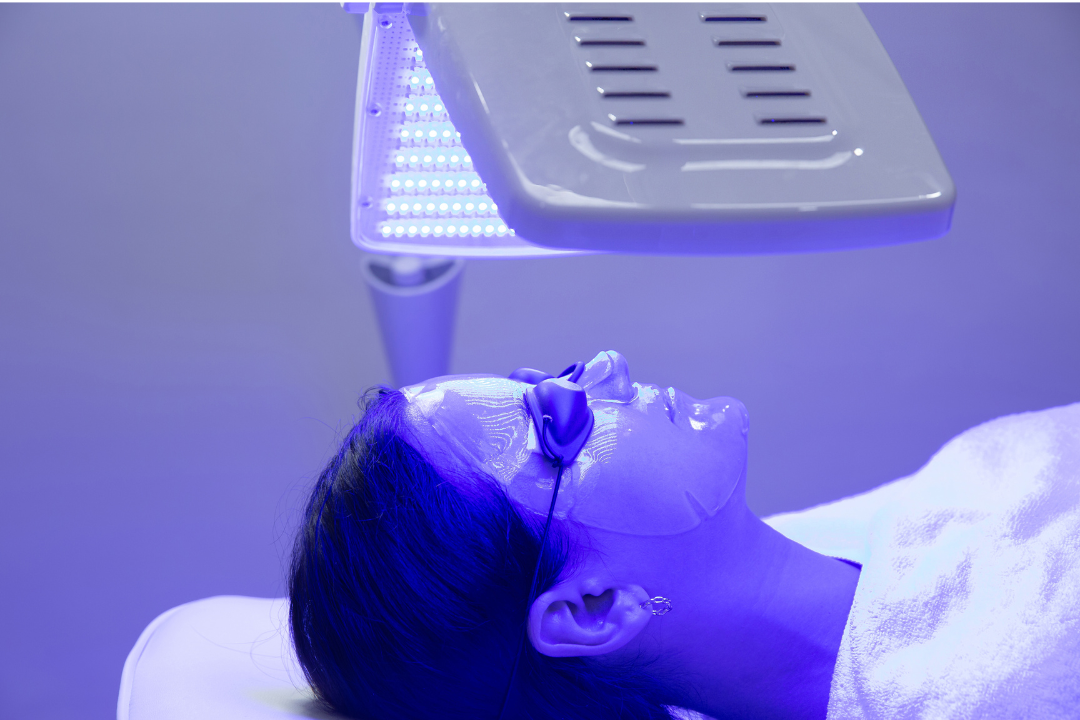
Treatments such as microneedling and radiofrequency-based skin treatments may be considered where appropriate to encourage the skin's natural repair and remodelling processes.
Skin quality and regeneration
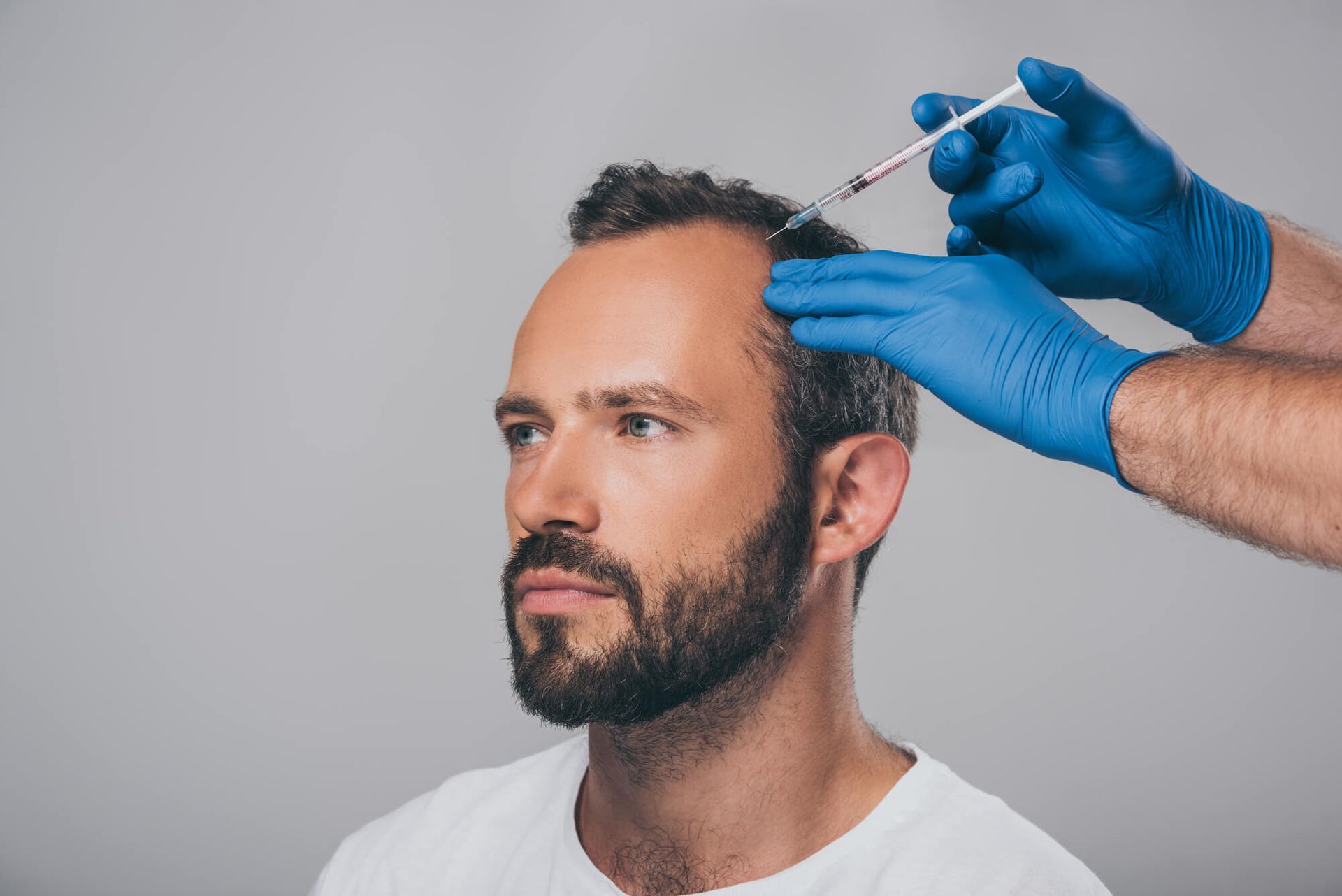
Depending on the individual, regenerative and skin-quality focused approaches may also be considered as part of a broader treatment plan.
Pigmentation and sun damage
A combination of appropriate skincare, sun protection and selected professional treatments may be recommended following assessment.
Overall skin health
Sometimes the first step isn't an advanced treatment at all. It may simply be restoring the skin barrier and establishing an appropriate home skincare routine.
What About HRT?
This is an interesting area of research.
Studies have shown a relationship between declining oestrogen and changes in collagen, skin thickness, hydration and elasticity. Research has also investigated whether menopausal hormone therapy may influence some of these changes.
However, hormone therapy is a medical treatment with benefits and risks that vary between individuals. It shouldn't be commenced specifically as a cosmetic skin treatment without appropriate medical assessment.
If you are experiencing symptoms of perimenopause or menopause and would like to discuss hormone therapy, this conversation belongs with your GP or an appropriately qualified menopause healthcare professional.
Ageing Skin Doesn't Need to Be “Fixed”
This is perhaps the most important part.
There is nothing wrong with ageing.
But there is also nothing wrong with wanting your skin to feel healthier, stronger and more vibrant as you move through different stages of life.
At Luxura Skin, my philosophy is not about making a 50-year-old woman look 30.
It's about understanding what your skin needs now.
Your skincare and treatment plan at 45, 50 or 60 shouldn't necessarily look like the one you had at 30.
By understanding the biological changes occurring in our skin, we can make more informed choices and develop treatment plans focused on skin health, quality and longevity.
Not Sure What Your Skin Needs?
If your skin has changed and you're unsure where to start, a consultation allows us to assess your skin, discuss your concerns and develop an individualised plan based on your skin rather than simply following the latest trend.
Because beautiful skin at every age doesn't have to mean younger-looking skin.
It can simply mean healthy, well-supported skin that still looks like you.
Luxura Skin | Registered Nurse-led aesthetic and skin treatments
This information is general in nature and is not intended to replace individual medical advice. Suitability for any cosmetic or skin treatment requires individual consultation and assessment.