Understanding Pigmentation: Causes, Types & Treatment Options
Sun, Hormones & Skin: What’s Behind Your Pigmentation?
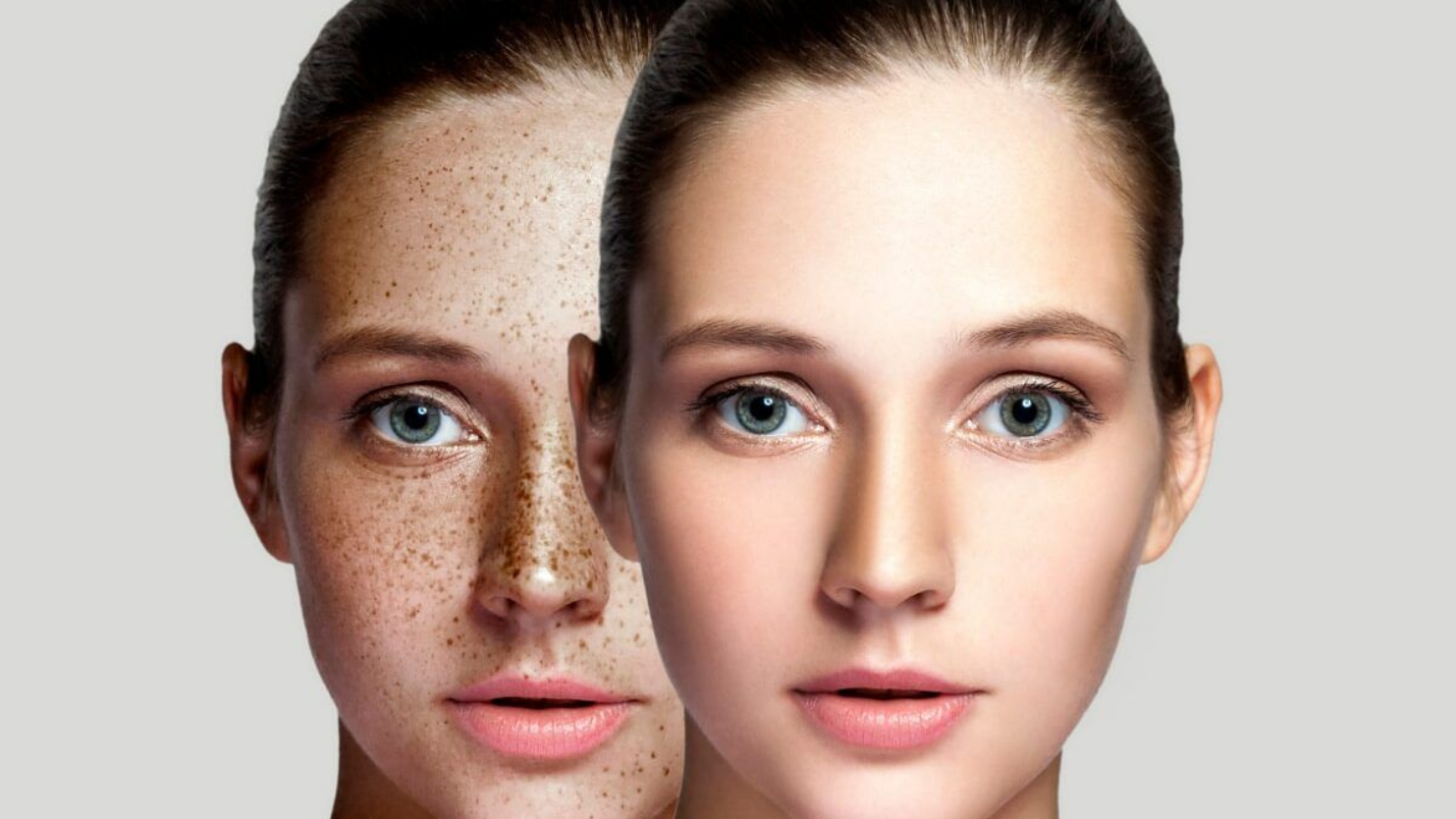
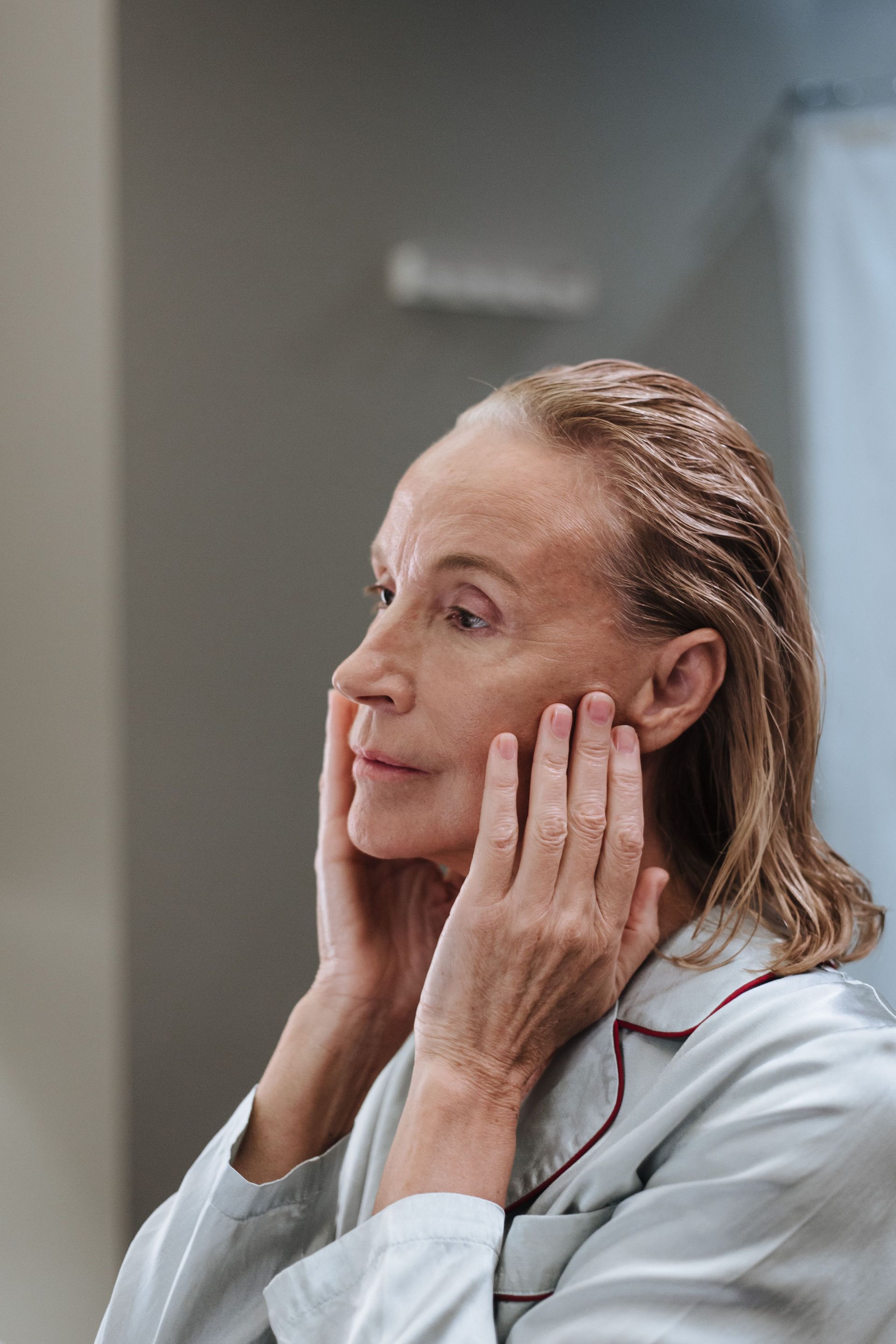
Pigmentation is one of the most common skin concerns. Whether it appears as freckles, sunspots, melasma or uneven patches of colour, pigmentation can make the complexion look uneven and, in some cases, become more noticeable with age.
But not all pigmentation is the same — and understanding what type of pigmentation you have and what is causing it is important before deciding how to treat it.
What Causes Pigmentation?
Our skin contains specialised cells called melanocytes, which produce melanin — the pigment responsible for the colour of our skin, hair and eyes.
Melanin also plays an important protective role by helping the skin respond to ultraviolet (UV) radiation.
Pigmentation develops when melanin production or distribution becomes uneven or excessive in certain areas.
A number of factors can contribute, including:
- UV and visible light exposure
- Hormonal changes
- Pregnancy
- Genetics
- Ageing
- Skin inflammation
- Acne or injury
- Certain medications
- Heat
- Repeated irritation or trauma to the skin
This is why pigmentation treatment isn't simply about trying to “remove brown spots”. We need to consider why the pigment is occurring in the first place.
Different Types of Pigmentation
Sunspots and Solar Lentigines
Those flat brown spots that gradually appear on the face, décolletage and hands are often the result of cumulative sun exposure.
They're particularly common as we get older because our skin has accumulated many years of UV exposure.
Freckles
Freckles, or ephelides, are generally influenced by genetics and become darker following sun exposure. They often become more noticeable during summer and fade somewhat during periods of reduced UV exposure.
Melasma
Melasma is a more complex form of pigmentation that commonly appears as symmetrical brown or grey-brown patches, particularly across the cheeks, forehead and upper lip.
Hormonal influences can contribute, which is why melasma is frequently associated with pregnancy and hormonal changes.
UV exposure, visible light and heat may also aggravate melasma.
Unlike a simple sunspot, melasma often requires long-term management rather than a one-off treatment.
Post-Inflammatory Hyperpigmentation
Have you ever had a pimple disappear but leave a dark mark behind?
This may be post-inflammatory hyperpigmentation (PIH).
PIH can develop following inflammation or trauma to the skin, including acne, dermatitis, burns, picking or some cosmetic procedures.
People with darker skin tones may be more susceptible to PIH, making appropriate treatment selection particularly important.
So, How Do We Treat Pigmentation?
There isn't one treatment that works for every type of pigmentation.
At Luxura Skin, we look at the type of pigmentation, your skin type, contributing factors and overall skin health before developing a treatment plan.
Medical-Grade Skincare
A good home skincare routine is often the foundation of pigmentation management.
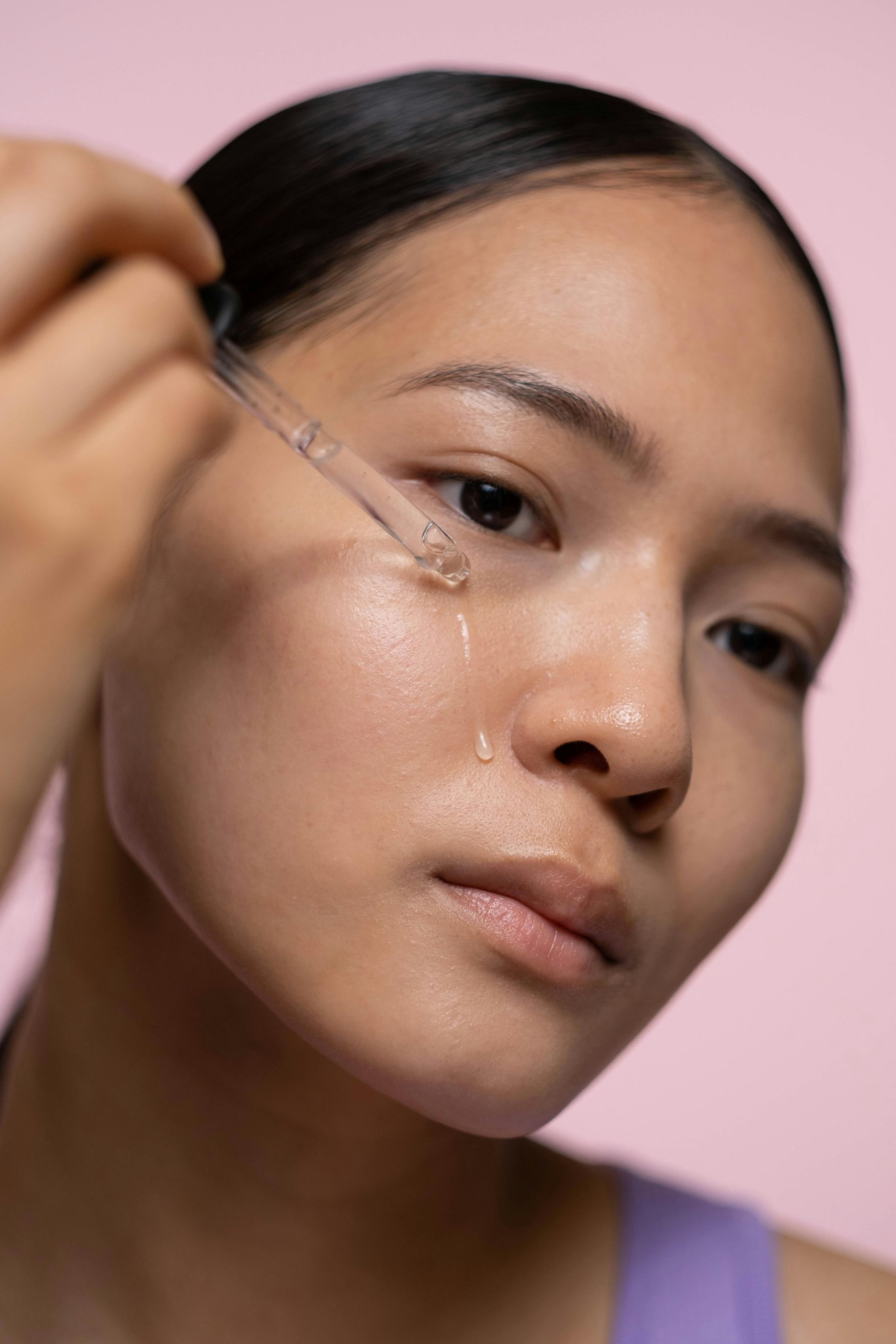
Depending on the individual, skincare may include ingredients that help regulate pigment production, support cellular turnover and improve overall skin quality.
Common ingredients used in pigmentation-focused skincare can include:
Vitamin C – an antioxidant that can help brighten the complexion and protect against oxidative stress.
Retinoids – support skin-cell turnover and can help improve uneven skin tone over time.
Niacinamide – can support the skin barrier while helping improve the appearance of uneven pigmentation.
Azelaic acid – commonly used for uneven pigmentation and post-inflammatory marks.
Kojic Acid – works by inhibiting tyrosinase, an enzyme involved in melanin production, helping to reduce the appearance of excess pigmentation and uneven skin tone.
Tranexamic Acid – a useful topical ingredient for stubborn pigmentation, particularly melasma and post-inflammatory hyperpigmentation. It works through pathways involved in excess melanin production and can help create a more even-looking complexion.
Copper Peptides – primarily support skin repair, collagen production and overall skin health. While they are not considered a primary pigment-inhibiting ingredient, they may complement a pigmentation program by supporting healthier, more resilient skin.
Alpha hydroxy acids (AHAs) – can assist exfoliation and improve superficial pigmentation and skin texture.
Other pigment-regulating ingredients may also be recommended depending on the individual.
Chemical Peels
Chemical peels can be an excellent option for some forms of pigmentation.
A carefully selected peel creates controlled exfoliation of the skin, helping remove accumulated superficial cells while encouraging skin renewal.
Different acids, concentrations and peel depths can be selected depending on the pigmentation, skin type and treatment goals.
Chemical peels may also improve skin texture, brightness and overall complexion.
More aggressive isn't necessarily better when treating pigmentation. Excessive inflammation can actually worsen certain types of pigmentation, particularly melasma and PIH.
Skin Needling
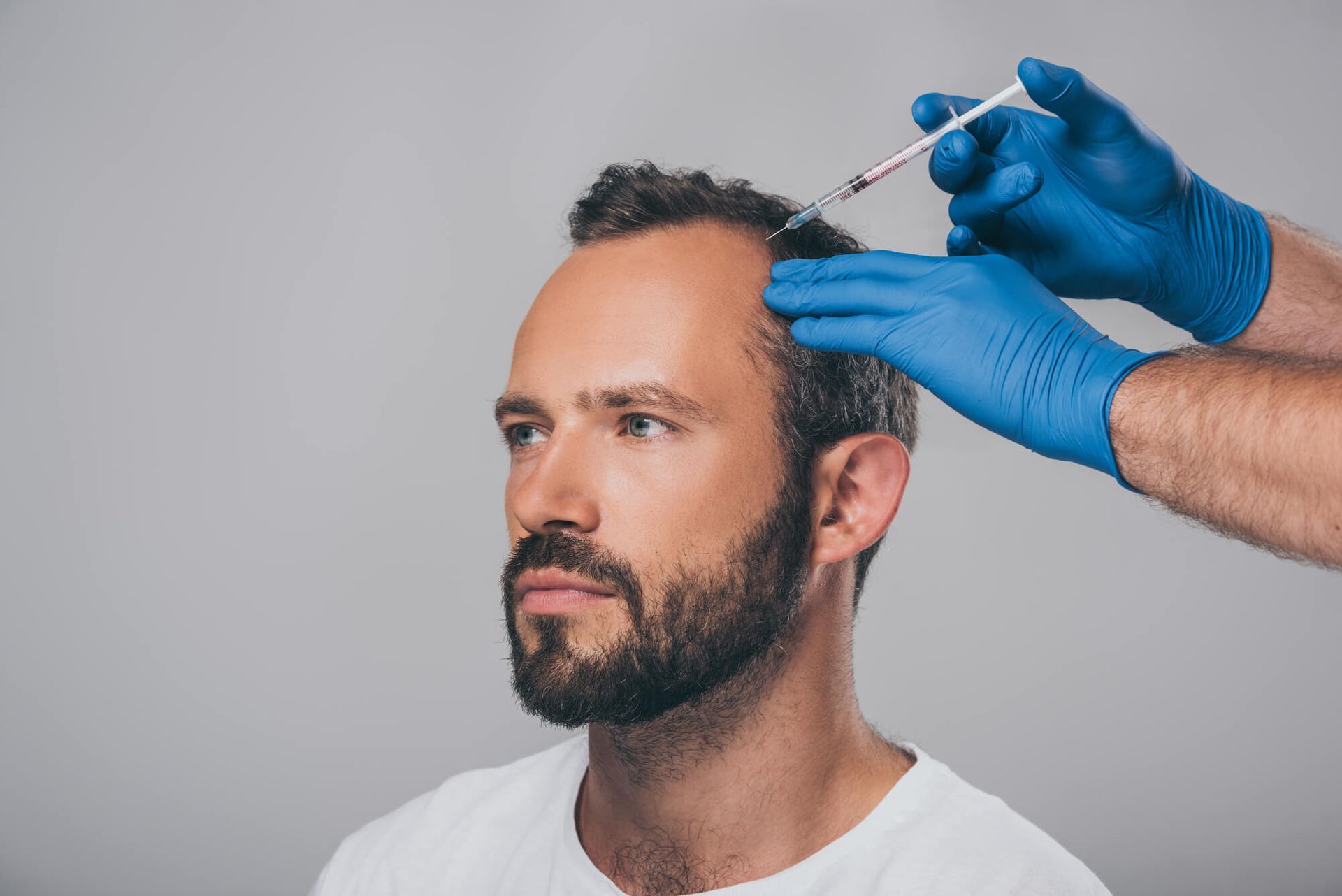
Skin needling creates controlled micro-injuries that stimulate the skin’s natural repair response and collagen production.
While it isn't simply a treatment for “removing pigment”, it may form part of a broader treatment plan where pigmentation is accompanied by concerns such as uneven texture, ageing or acne scarring.
The microchannels created during skin needling can also enhance the penetration of appropriately selected topical serums and active ingredients. Depending on the individual treatment protocol, ingredients such as tranexamic acid may be incorporated to specifically target pathways involved in excess pigmentation and help improve the appearance of uneven skin tone.
Treatment parameters and topical products need to be selected carefully, particularly in people prone to post-inflammatory hyperpigmentation (PIH), as excessive inflammation or inappropriate products may potentially worsen pigmentation.
Energy-Based Treatments
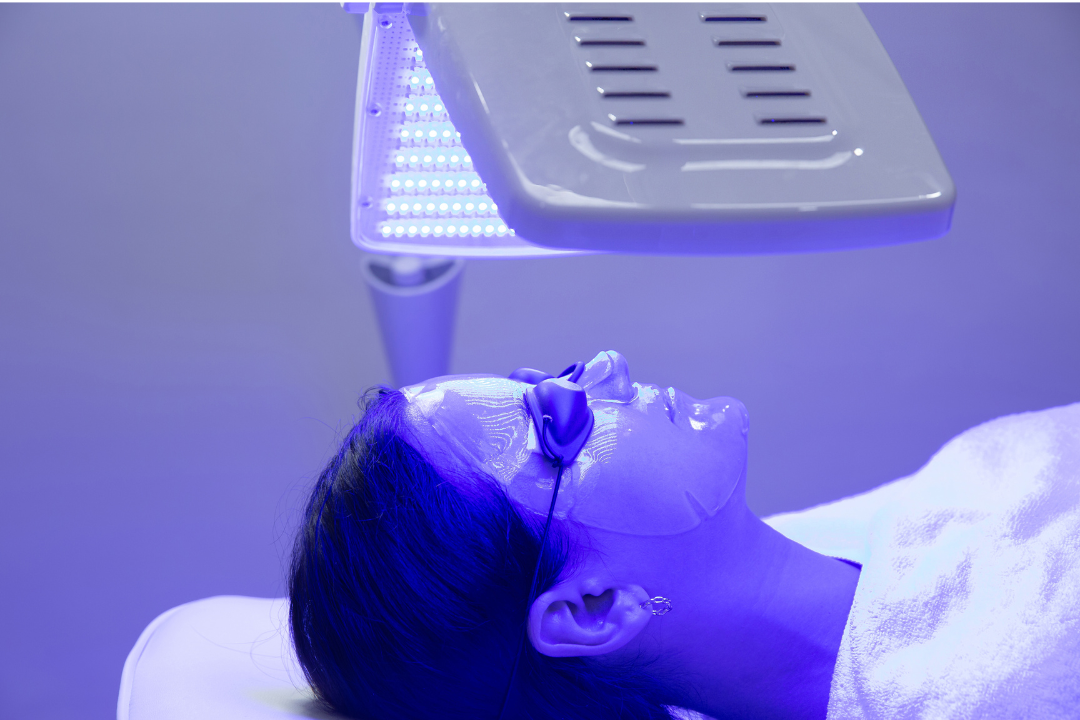
Certain laser, light and radiofrequency-based treatments may be appropriate for selected pigmentation concerns.
However, the correct diagnosis is particularly important.
A treatment that may work beautifully for an isolated sunspot may not be appropriate for someone with melasma. In some circumstances, excessive heat or inflammation can actually trigger further pigmentation.
This is why treatment should always be individualised.
Fitzpatrick Skin Type and Pigmentation Treatment
The Fitzpatrick Skin Type Classification categorises skin from Type I (very fair) through to Type VI (deeply pigmented), based largely on how the skin responds to UV exposure. Skin with a higher Fitzpatrick type contains more melanin and has a greater tendency to develop post-inflammatory hyperpigmentation (PIH) following inflammation or injury. This means that as skin type becomes darker, certain pigmentation treatments—particularly some lasers, light-based devices, deeper chemical peels and more aggressive resurfacing treatments—may require greater caution or may not be suitable. Excessive heat, inflammation or trauma can stimulate melanocytes to produce additional pigment, potentially making pigmentation worse rather than better. This doesn't mean darker skin cannot be successfully treated; rather, treatment needs to be carefully selected and tailored to the individual's skin type, pigmentation condition and risk of PIH.
Don't Forget the Most Important Step — Sun Protection
You can invest in excellent skincare and professional treatments, but without adequate sun protection, pigmentation can continue to return.
Daily broad-spectrum SPF 50+ sunscreen is one of the most important components of any pigmentation treatment plan.
And sunscreen isn't just for hot summer days.
UV radiation is present throughout the year, including on cloudy days, so daily protection should become part of your everyday skincare routine.
For some pigmentation conditions, particularly melasma, additional protection from visible light may also be beneficial.
Pigmentation Is Often About Management, Not Perfection
One of the most important things to understand about pigmentation is that some conditions can be significantly improved, but they may not be permanently “cured”.
Melasma in particular can recur when triggered by hormones, sunlight, heat or other factors.
Our goal is therefore not always to eliminate every pigment-producing cell. Instead, we aim to manage pigment activity, improve skin quality, reduce visible unevenness and minimise the factors that encourage pigmentation to return.
At Luxura Skin, we believe the best results begin with understanding your skin.
A personalised consultation allows us to assess your pigmentation, discuss potential contributing factors and determine which skincare and treatment options may be appropriate for you.
Individual results and suitability for treatment vary. A consultation and skin assessment are required before treatment recommendations are made.