LED Light Therapy: Does It Actually Work?
The science behind the skincare trend everyone is talking about
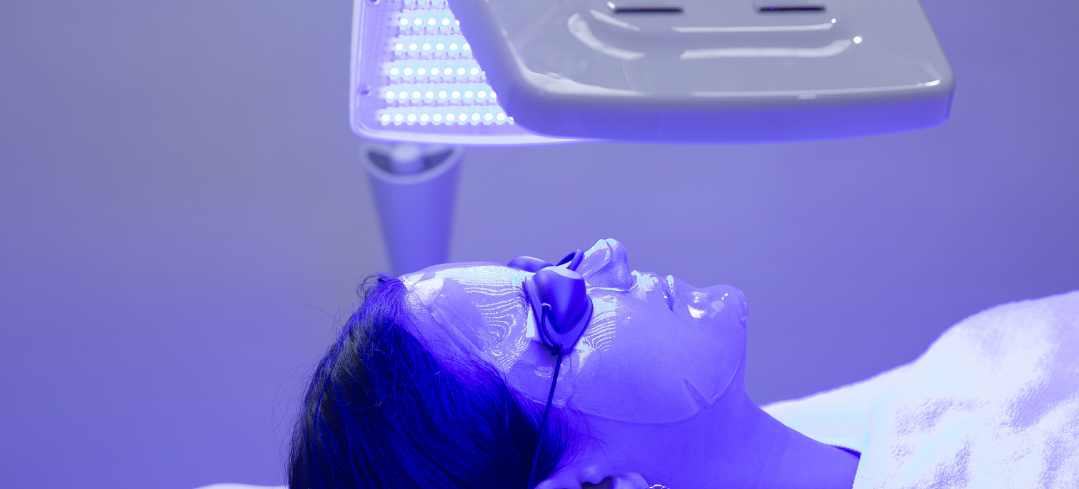
LED light therapy is everywhere right now—from in-clinic treatments to at-home face masks all over social media. But with so much hype, the real question is… does it actually work, or is it just another beauty trend?
Let’s break it down.
What Is LED Light Therapy?
LED (Light Emitting Diode) therapy is a non-invasive skin treatment that uses specific wavelengths of light to stimulate biological processes in the skin.
Different colours target different concerns:
- Blue light → targets acne-causing bacteria
- Red light → supports collagen production and reduces inflammation
- Near-infrared light → penetrates deeper to assist with healing and rejuvenation
Unlike lasers or IPL, LED doesn’t heat or damage the skin—it works at a cellular level.
How Does It Work? (The Science Explained Simply)
LED therapy works through a process called photobiomodulation, where light energy is absorbed by skin cells and converted into cellular activity.
This can:
- Boost energy production in cells (mitochondria)
- Stimulate fibroblasts (collagen-producing cells)
- Reduce inflammation
- Target acne-causing bacteria
In simple terms: it helps your skin function better and repair itself more efficiently.
What Does the Evidence Say?
Here’s where it gets interesting—and important.
What LED therapy does well
- Acne: Strong evidence supports blue and red light reducing acne lesions and inflammation
- Inflammation & healing: Can calm redness and support skin recovery
- Skin rejuvenation: Some studies show improved skin texture and collagen stimulation
Where the evidence is still developing
- Fine lines and wrinkles
- Skin tightening
- Long-term anti-ageing effects
Experts generally agree:
It shows promise—but it’s not a miracle treatment
Clinic vs At-Home LED: Is There a Difference?
Yes—and it matters.
In-clinic devices
- Higher power and medical-grade wavelengths
- More targeted and controlled
- Typically deliver stronger results
At-home devices (LED masks)
- Lower intensity
- Require consistency (often 3–5 times per week)
- Results are more subtle and slower
Think of it like this:
At-home = maintenance
Clinic treatments = results-driven
Are There Any Risks?
LED therapy is generally considered safe and well-tolerated, but there are a few things to be aware of:
- Mild redness or irritation can occur
- Not suitable for some light-sensitive conditions
- Eye protection is essential
- Certain medications may increase sensitivity
There is also some evidence that blue light may contribute to oxidative stress if overused, so appropriate protocols matter
So… Does LED Light Therapy Actually Work?
Short answer: Yes—but with realistic expectations.
It
can improve acne, inflammation, and overall skin quality
It
supports collagen production over time
It works best as part of a
broader treatment plan
It will
not replace treatments like skin needling, resurfacing, or prescription skincare
It’s
not an instant fix
How We Use LED at Luxura Skin
At Luxura Skin, LED therapy is often used to:
- Calm inflammation post-treatment
- Support healing after procedures
- Enhance results from other skin treatments
- Help manage acne and redness
Because the best results don’t come from one treatment alone—they come from the right combination for your skin.
Final Thoughts
LED light therapy isn’t just hype—it’s a
science-backed tool.
But like many trending treatments, its effectiveness depends on:
- Consistency
- Device quality
- Correct treatment protocols
- Combining it with the right skincare or procedures
Not sure if LED is right for your skin?
A personalised consultation can help guide you toward the most effective treatment plan for your concerns.