Peptides in Skincare: What Are They and Do They Really Work?
This is a subtitle for your new post
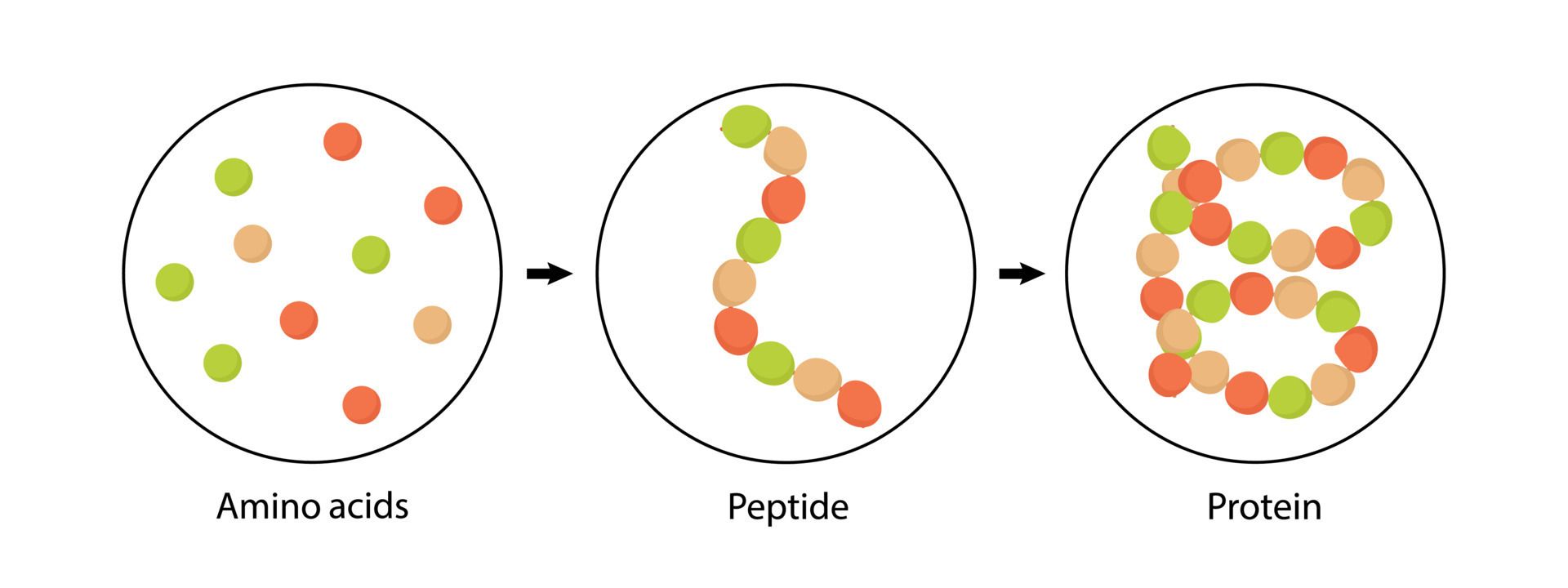
Peptides are one of the most talked-about ingredients in modern skincare—and for good reason. Backed by growing scientific research, peptides are known for their ability to support skin health, improve texture, and enhance a more youthful appearance.
But what exactly are peptides, and are they worth adding to your skincare routine?
What Are Peptides?
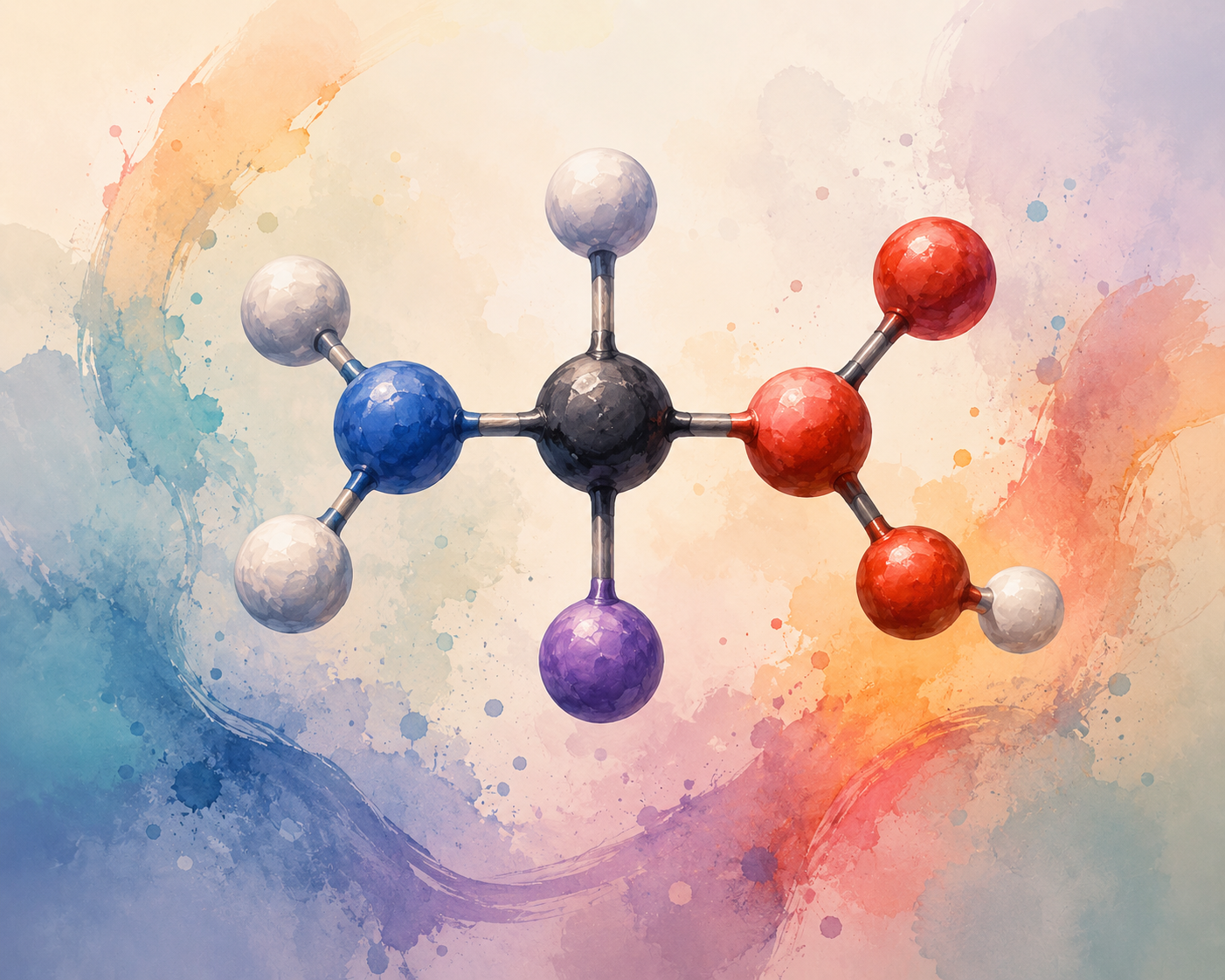
Peptides are short chains of amino acids—the building blocks of proteins such as collagen, elastin, and keratin, which are essential for maintaining strong, healthy skin.
Think of peptides as “messengers” in the skin. They send signals to your skin cells, encouraging them to perform specific functions—like producing more collagen or repairing damage.
As we age, natural collagen production declines, which contributes to fine lines, loss of firmness, and thinner skin. Peptides help support the skin’s natural processes to maintain structure and resilience.
What Do Peptides Do for the Skin?
Peptides can offer a range of benefits depending on their type and formulation. Some of the most commonly reported effects include:
1. Support Collagen Production
Certain peptides signal fibroblasts to produce more collagen, helping improve skin firmness and reduce the appearance of fine lines over time.
2. Improve Skin Barrier Function
Peptides can help strengthen the skin barrier, reducing water loss and improving hydration—especially important in dry or winter climates.
3. Enhance Skin Repair
They assist in the skin’s natural healing processes, making them useful for post-treatment recovery or compromised skin.
4. Reduce the Appearance of Wrinkles
Some peptides work to relax the look of expression lines or improve overall skin smoothness.
5. Improve Hydration and Texture
By supporting structural proteins and barrier function, peptides can leave skin looking smoother, plumper, and more radiant.
Evidence-Based Insights
Research into peptides in dermatology continues to grow, with several studies supporting their role in skin rejuvenation:
- Signal peptides (such as palmitoyl pentapeptide-4) have been shown to stimulate collagen production in laboratory and clinical settings
- Copper peptides (GHK-Cu) demonstrate wound healing and anti-inflammatory properties
- Neurotransmitter-inhibiting peptides (e.g. acetyl hexapeptide-8) may reduce the appearance of dynamic wrinkles
While results can vary depending on formulation, concentration, and skin condition, peptides are widely regarded as a supportive, evidence-informed ingredient in anti-ageing skincare.
Most Common Types of Peptides in Skincare
Not all peptides are the same. Here are the main categories you’ll see in products:
Signal Peptides
These encourage the skin to produce collagen and elastin.
Examples: Palmitoyl pentapeptide, Matrixyl®
Carrier Peptides
These deliver trace elements (like copper) to the skin, supporting healing and regeneration.
Examples: Copper peptides (GHK-Cu)
Neurotransmitter-Inhibiting Peptides
Often referred to as “botox-like” peptides, they may help soften the appearance of expression lines.
Examples: Acetyl hexapeptide-8 (Argireline®)
Enzyme-Inhibiting Peptides
These help reduce the breakdown of collagen in the skin, supporting longer-term skin integrity.
Who Are Peptides Best For?
Peptides are suitable for most skin types and concerns, particularly:
- Ageing or mature skin
- Fine lines and wrinkles
- Dry or dehydrated skin
- Post-procedure or compromised skin barrier
- Those wanting preventative anti-ageing skincare
They are generally well tolerated and can be used alongside other active ingredients like vitamin A, antioxidants, and hyaluronic acid.
How to Use Peptides in Your Routine
Peptides are most commonly found in:
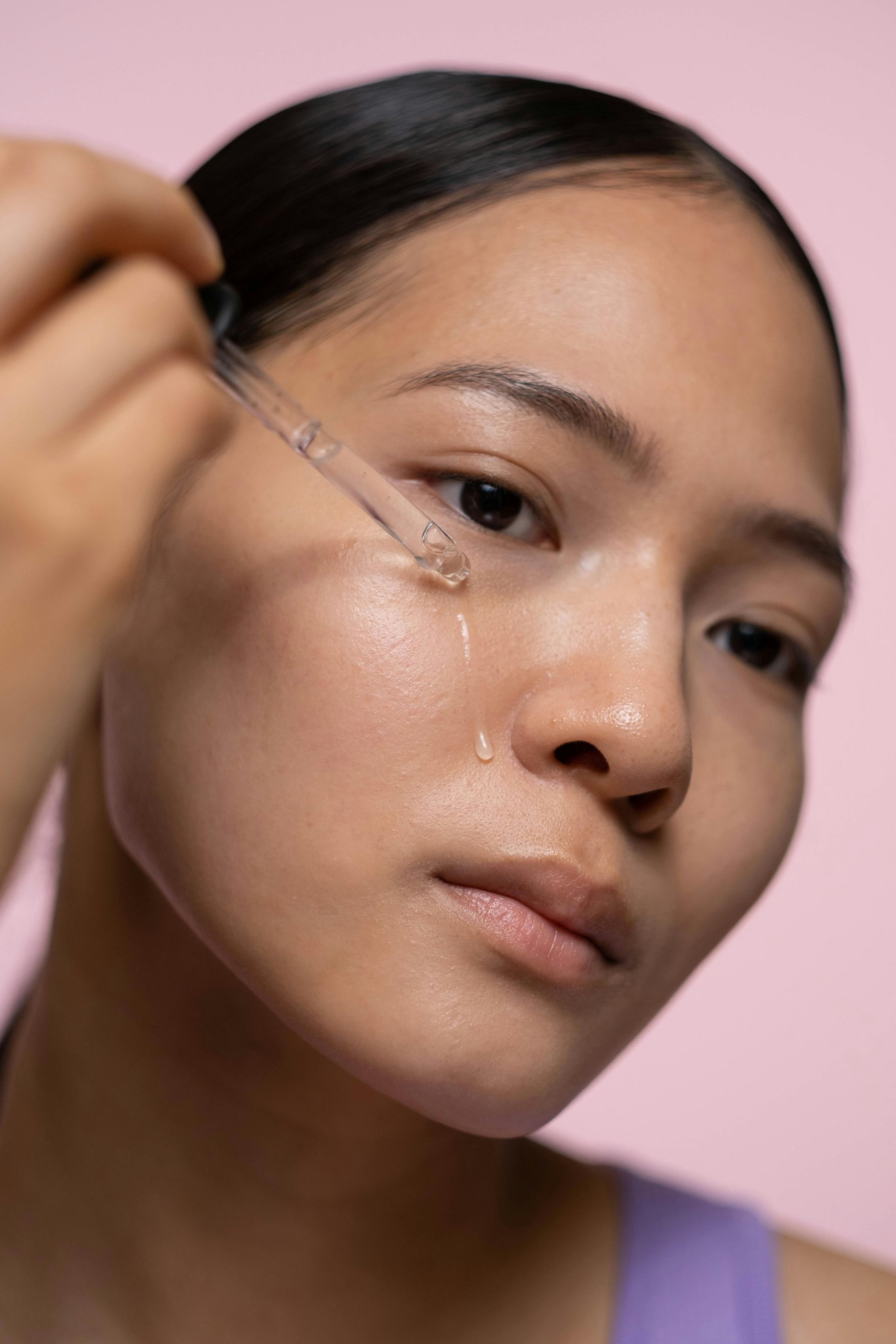
- Serums
- Moisturisers
- Eye creams
For best results:
- Apply after cleansing and before heavier creams
- Use consistently (results build over time)
- Combine with sunscreen during the day to protect collagen
Final Thoughts
Peptides are not a quick fix—but they are a valuable, science-supported addition to a long-term skin health strategy.
By supporting collagen production, improving hydration, and enhancing skin repair, peptides can help maintain stronger, healthier, and more resilient skin over time.
Important Note
Individual results vary, and not all products or ingredients are suitable for everyone. A thorough consultation is recommended to determine the most appropriate treatment or skincare approach for your individual skin concerns.