Amino Acids and Your Skin: The Building Blocks of Healthy, Youthful Skin
Supporting skin health from within through the molecules responsible for repair, hydration, and renewal.
Why Amino Acids Matter More Than You Think
When we think about healthy skin, ingredients such as hyaluronic acid, retinol, vitamin C, and collagen often steal the spotlight. However, behind the scenes, amino acids play a vital role in maintaining skin structure, hydration, repair, and overall skin health.
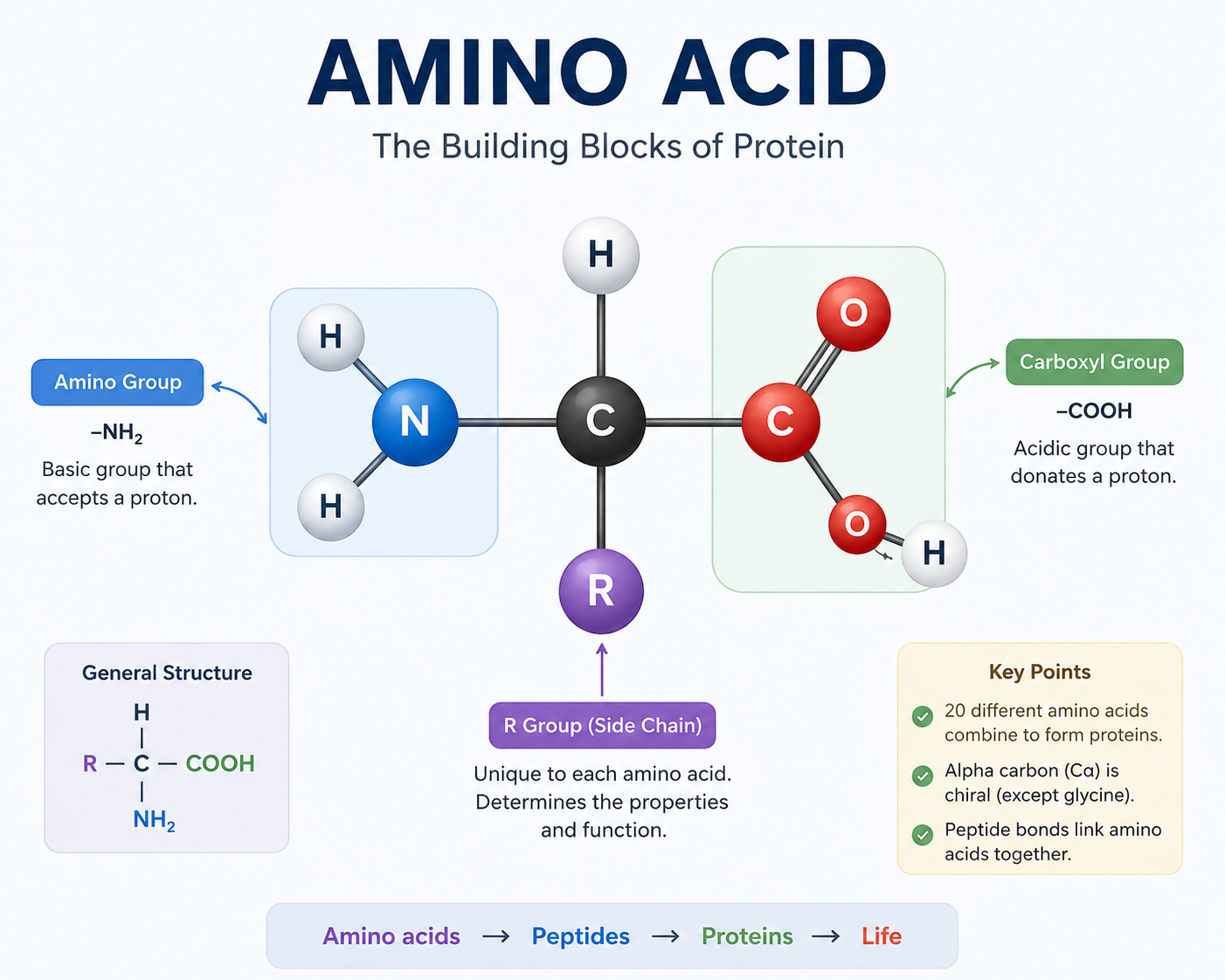
Amino acids are often referred to as the "building blocks of life" because they combine to form proteins. In the skin, they are essential for producing collagen, elastin, and keratin—the proteins responsible for skin strength, elasticity, and resilience.
Without an adequate supply of amino acids, the skin's ability to repair itself, retain moisture, and maintain firmness can be compromised.
What Are Amino Acids?
Amino acids are organic compounds that combine to form proteins. There are 20 amino acids used by the body to build proteins, and they can be divided into three categories:
Essential Amino Acids
These cannot be produced by the body and must be obtained through diet.
Examples include:
- Leucine
- Isoleucine
- Valine
- Lysine
- Methionine
- Phenylalanine
- Threonine
- Tryptophan
- Histidine
Non-Essential Amino Acids
These can be produced naturally by the body.
Examples include:
- Glycine
- Proline
- Alanine
- Serine
- Aspartic acid
Conditionally Essential Amino Acids
Normally produced by the body but may be required in greater amounts during illness, stress, injury, or ageing.
Examples include:
- Arginine
- Glutamine
- Tyrosine
The Key Amino Acids for Skin Health
While all amino acids contribute to overall health, several are particularly important for skin function and rejuvenation.
Glycine
Glycine is the most abundant amino acid found in collagen, accounting for approximately one-third of its structure.
Functions:
- Supports collagen production
- Helps maintain skin strength and firmness
- Assists wound healing and tissue repair
Without sufficient glycine, collagen fibres cannot form correctly.
Proline
Proline is another major component of collagen and is critical for maintaining skin integrity.
Functions:
- Supports collagen synthesis
- Enhances skin repair
- Helps improve skin firmness and elasticity
Lysine
Lysine is an essential amino acid required for collagen cross-linking.
Functions:
- Supports collagen maturation
- Assists wound healing
- Helps maintain skin structure
Deficiency may contribute to slower healing and reduced collagen quality.
Arginine
Arginine plays an important role in circulation and tissue repair.
Functions:
- Enhances blood flow
- Supports wound healing
- Assists tissue regeneration
Glutamine
Glutamine helps support rapidly dividing cells, including skin cells.
Functions:
- Promotes skin barrier repair
- Supports healing
- Helps reduce inflammation
Serine
Serine is naturally found in the skin's Natural Moisturising Factor (NMF).
Functions:
- Improves hydration
- Supports skin barrier function
- Helps maintain skin softness and flexibility
Amino Acids and Collagen Production
Collagen is the most abundant protein in the body and provides the structural framework for the skin.
Collagen is primarily composed of:
- Glycine (approximately 33%)
- Proline (approximately 12%)
- Hydroxyproline (derived from proline)
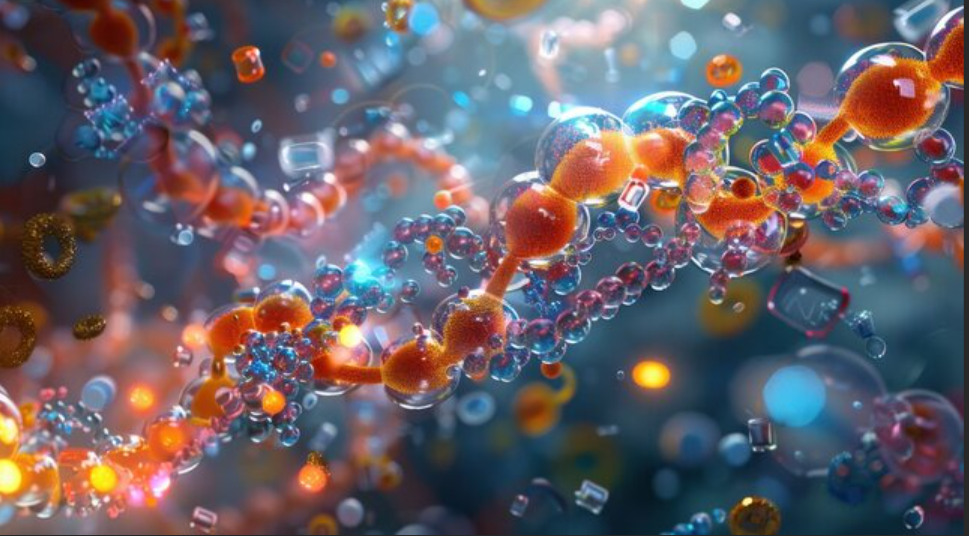
These amino acids are arranged in a precise triple-helix structure that gives collagen its remarkable strength and flexibility.
As we age, collagen production naturally declines. Reduced availability of amino acids, combined with environmental damage and hormonal changes, can further accelerate collagen loss.
This contributes to:
- Fine lines and wrinkles
- Skin laxity
- Reduced skin density
- Slower wound healing
- Thinner, more fragile skin
Why the Ratio of Amino Acids Is So Important
Many people focus solely on increasing collagen production, but the balance of amino acids may be just as important as the total amount available.
Think of collagen synthesis like building a house.
You may have plenty of bricks, but if you don't have enough timber, nails, or concrete, the structure cannot be built properly.
The same principle applies to skin proteins.
Balanced Ratios Support Optimal Protein Formation
Different proteins require different amino acid profiles.
For example:
Collagen
Requires high levels of:
- Glycine
- Proline
- Lysine
Elastin
Requires:
- Glycine
- Valine
- Alanine
- Proline
Keratin
Requires:
- Cysteine
- Methionine
- Serine
If one amino acid becomes limiting, protein production may become less efficient even when other amino acids are abundant.
Cellular Communication
Specific amino acid combinations can also influence:
- Fibroblast activity
- Cellular repair mechanisms
- Antioxidant production
- Growth factor signalling
This is one reason why some advanced skin treatments utilise carefully balanced amino acid complexes rather than single amino acids alone.
Amino Acids and Skin Hydration
Amino acids are naturally present in the skin's Natural Moisturising Factor (NMF).
The NMF is responsible for attracting and retaining water within the outer layers of the skin.
Key amino acids involved include:
- Serine
- Glycine
- Alanine
- Histidine
These molecules act as humectants, helping draw moisture into the skin and reducing transepidermal water loss.
When amino acid levels decline, the skin may become:
- Dry
- Rough
- Tight
- More prone to irritation
Amino Acids and Skin Ageing
Ageing is associated with a decline in:
- Collagen production
- Elastin production
- Cellular repair capacity
- Skin hydration
Research suggests amino acids may help support:
- Collagen synthesis
- Elastin production
- Tissue regeneration
- Skin barrier function
- Wound healing
For this reason, amino acids are increasingly incorporated into:
- Professional skin treatments
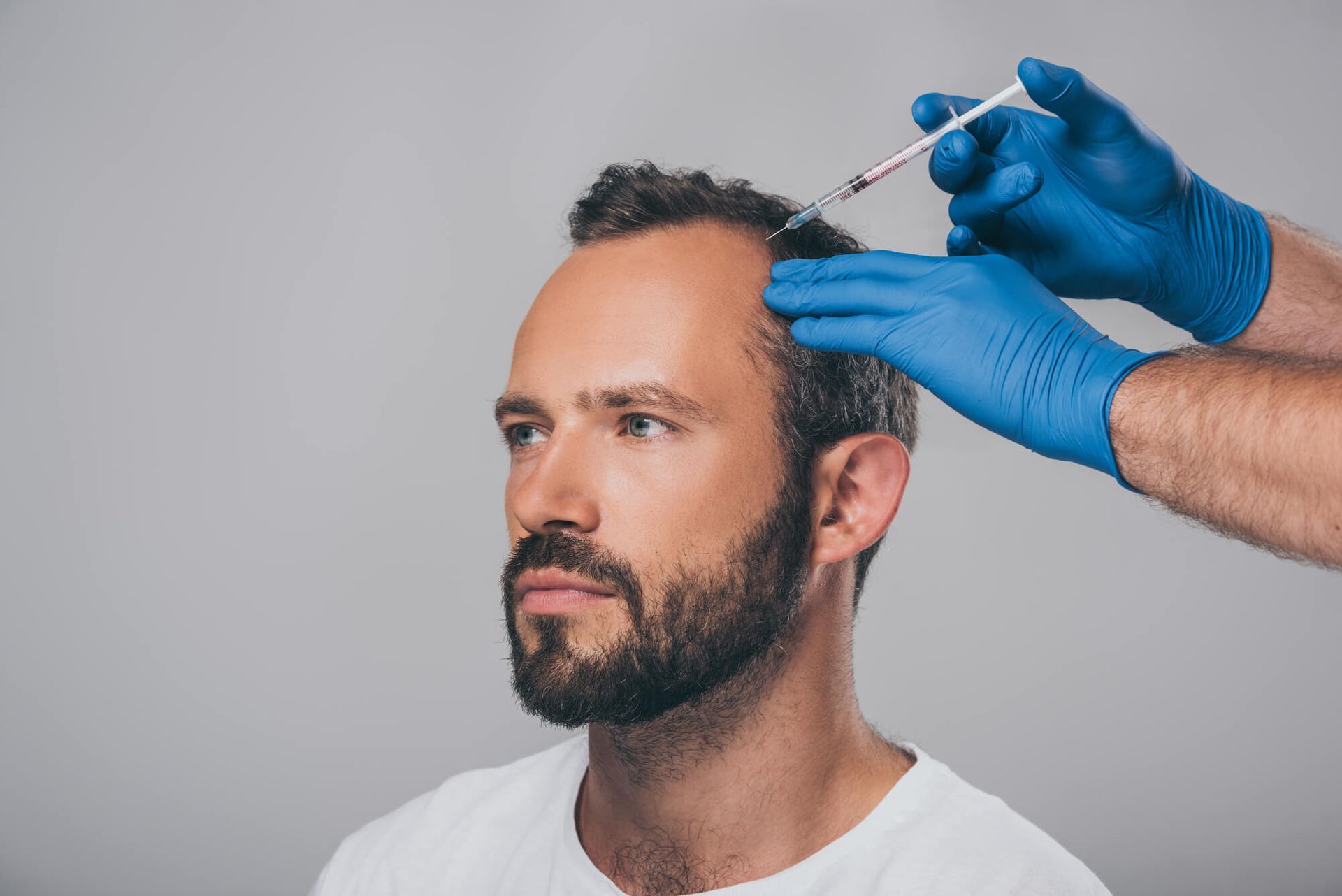
- Injectable biostimulatory treatments
- Skin boosters
- Medical-grade skincare
- Nutritional supplements
Can We Increase Amino Acids in the Skin?
Several approaches may help support amino acid availability:
Diet
Consume adequate protein from sources such as:
- Fish
- Eggs
- Poultry
- Lean meats
- Dairy
- Legumes
- Tofu
- Tempeh
Collagen Supplements
Hydrolysed collagen provides amino acids that may support collagen production, particularly glycine and proline.
Topical Skincare
Some advanced skincare formulations contain amino acid complexes designed to support hydration and skin barrier function.
Professional Treatments
Certain skin rejuvenation treatments utilise specific amino acid combinations to support fibroblast activity and collagen production, aiming to improve skin quality, elasticity, and hydration.
The Bottom Line
Amino acids are far more than simple protein components. They are fundamental to virtually every aspect of skin health, from collagen and elastin production to hydration, repair, and resilience.
While collagen often receives the attention, it is amino acids that provide the raw materials needed to build and maintain healthy skin. Equally important is the balance of these amino acids, as the correct ratios help ensure proteins such as collagen, elastin, and keratin can be produced efficiently.
Supporting your skin with adequate protein intake, quality skincare, and evidence-based treatments may help optimise amino acid availability and contribute to healthier, stronger, and more youthful-looking skin over time.
Important Information
The information provided in this blog is intended for general educational purposes only and should not be considered medical advice. Individual circumstances, medical history, skin concerns, and treatment suitability vary from person to person.
A thorough consultation with a qualified healthcare professional is required to assess your individual needs, discuss potential risks and benefits, and determine whether any treatment or procedure is appropriate for you. Not all treatments are suitable for every individual, and outcomes may vary.
Any references to aesthetic treatments, procedures, or products are provided for informational purposes only and do not constitute a recommendation or advertisement of prescription-only medicines. Decisions regarding treatment can only be made following a comprehensive clinical assessment and informed consent process.
If you have concerns about your skin, health, or suitability for treatment, please seek advice from an appropriately qualified healthcare practitioner.