GHK-Cu Copper Peptides and Hyaluronic Acid | The Science of Collagen
Copper Peptides and Hyaluronic Acid: A Powerful Partnership in Skin Regeneration?
As our understanding of skin ageing continues to evolve, so does our approach to skin rejuvenation. Rather than simply addressing the visible signs of ageing, researchers are increasingly exploring how we can support the biological processes responsible for skin repair, regeneration and structural integrity.
Two ingredients attracting scientific interest are copper peptides (GHK-Cu) and hyaluronic acid (HA). While both have been used in skincare for many years, research suggests that combining them in specific formulations may produce a synergistic effect on collagen production.
What is GHK-Cu?
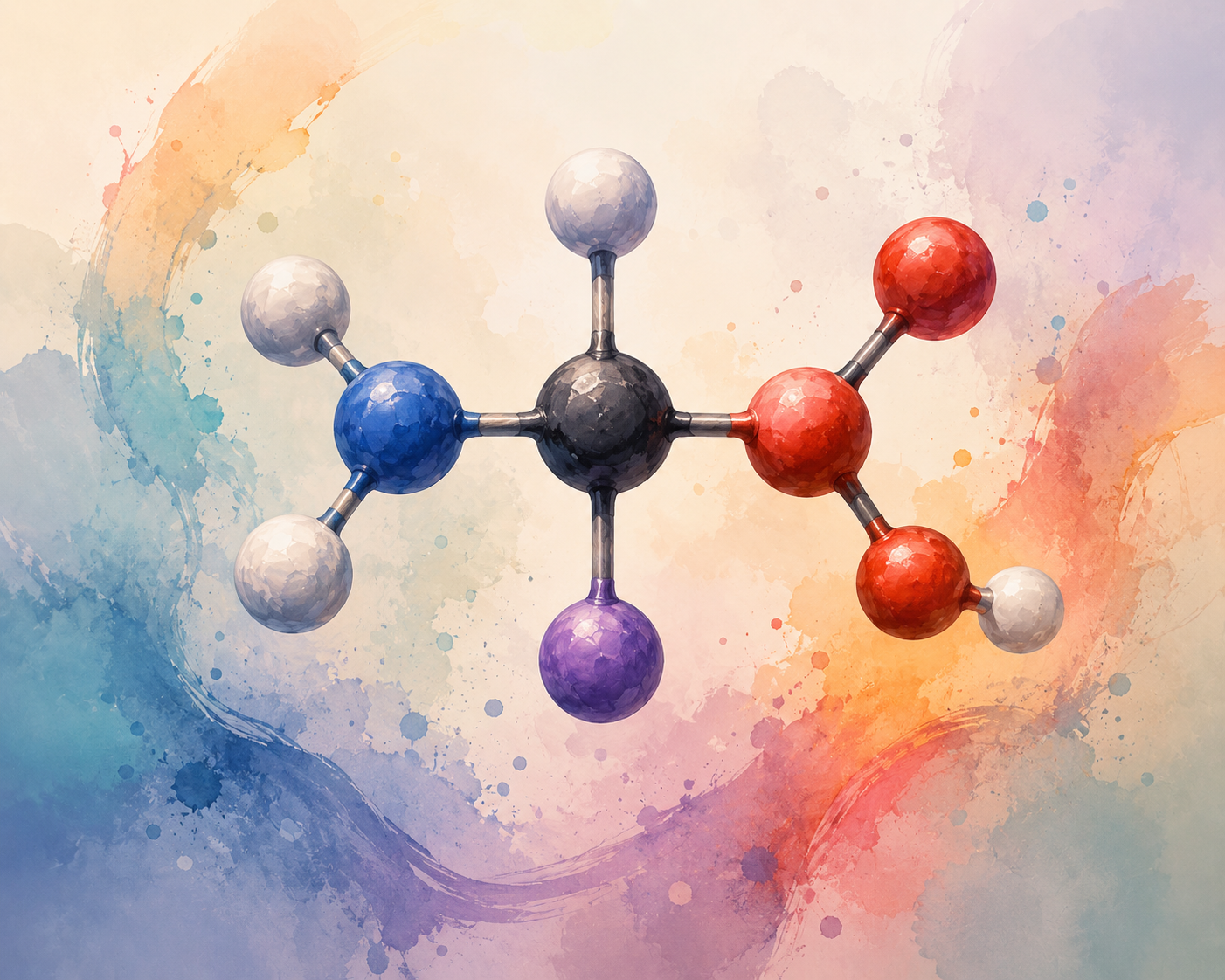
GHK-Cu, also known as copper tripeptide-1, is a naturally occurring copper-binding peptide composed of three amino acids: glycine, histidine and lysine.
Found naturally within the human body, GHK-Cu has been studied for its role in cellular communication, tissue repair and extracellular matrix regulation.
Research into GHK-Cu has explored its potential to:
- Stimulate fibroblast activity.
- Support collagen and elastin synthesis.
- Assist tissue repair and remodelling.
- Regulate inflammatory responses.
- Support extracellular matrix integrity.
- Reduce oxidative stress.
Naturally occurring levels of GHK-Cu decline with age, making this peptide an interesting area of research within regenerative skincare.
Hyaluronic acid: More than just hydration
Hyaluronic acid is a naturally occurring molecule within the skin, widely recognised for its ability to attract and retain water.
However, its role extends well beyond hydration. Hyaluronic acid also participates in cellular signalling, tissue repair and the regulation of the extracellular matrix — the structural environment that surrounds and supports our skin cells.
Different molecular weights of hyaluronic acid can influence how it interacts with skin cells and their biological processes.
What happens when GHK-Cu and hyaluronic acid are combined?
A study published in the Journal of Cosmetic Dermatology in 2023 investigated the combined effects of GHK-Cu and hyaluronic acid on human dermal fibroblasts, examining the expression of collagen types I, IV and VII.
The most significant synergistic response was observed when GHK-Cu was combined with low molecular weight hyaluronic acid at a ratio of 1:9.
The researchers reported:
- GHK-Cu alone: approximately sevenfold type IV collagen gene expression compared with the untreated control.
- GHK-Cu combined with hyaluronic acid: approximately 25.4-fold type IV collagen gene expression, representing a 2,440% increase.
- Testing on skin tissue outside the body: a 103% increase in type IV collagen content compared with the control.
These findings suggest that the two ingredients may work synergistically under specific experimental conditions, particularly in relation to type IV collagen.
Why is type IV collagen so important?
When we talk about collagen and skin ageing, we often focus on type I and type III collagen. However, type IV collagen plays an equally important, although very different, structural role.
Type IV collagen is a major component of the basement membrane located at the dermal-epidermal junction (DEJ), the interface between the epidermis and dermis.
This specialised structure plays an important role in:
- Connecting and supporting the layers of the skin.
- Maintaining tissue integrity.
- Supporting cellular attachment and communication.
- Regulating the movement of molecules between skin layers.
- Supporting tissue repair and regeneration.
As we age, the dermal-epidermal junction gradually flattens and undergoes structural changes, which can contribute to increased skin fragility and reduced resilience.
Supporting this important structural interface is an interesting area of research, particularly when considering the needs of ageing and menopausal skin.
Understanding the science behind the synergy
The researchers proposed that GHK-Cu and hyaluronic acid may work through complementary biological mechanisms.
GHK-Cu may help stimulate pathways associated with collagen production, while hyaluronic acid may help regulate processes involved in collagen degradation.
This highlights an important concept in skin regeneration: it is not simply about producing more collagen, but also about preserving existing collagen and maintaining the integrity and organisation of the extracellular matrix.
What does this mean for your skin?
While these findings are promising, it is important to understand that this research was conducted using laboratory-cultured human skin cells and tissue studied outside the body.
The reported 2,440% increase relates specifically to type IV collagen gene expression under controlled laboratory conditions. It does not mean that applying a copper peptide serum will increase collagen production in your skin by the same amount.
Ingredient concentration, molecular weight, formulation, skin penetration and individual skin characteristics all influence how skincare ingredients perform.
Further human clinical studies are required to establish real-world benefits.
Moving beyond traditional anti-ageing skincare
At Luxura Skin, we believe that healthy skin is about more than addressing fine lines and wrinkles. It is about understanding the biological changes that occur within the skin as we age and supporting its health, hydration, structural integrity and resilience.
As research into peptides, cellular signalling and extracellular matrix regeneration continues to evolve, we are gaining a greater understanding of how these ingredients may contribute to future skincare approaches.
Our philosophy is centred on evidence-informed skincare, individualised assessment and supporting long-term skin health.
If you would like to better understand your skin and explore skincare options suited to your individual needs, book a complimentary skin consultation at Luxura Skin, Ballarat.
Scientific reference
Jiang, F., Wu, Y., Liu, Z., Hong, M., & Huang, Y. (2023). Synergy of GHK-Cu and hyaluronic acid on collagen IV upregulation via fibroblast and ex-vivo skin tests. Journal of Cosmetic Dermatology, 22(9), 2598–2604.