Why Drinking Water Isn’t Enough to Keep Your Skin Hydrated
“The Hidden Factors Behind Dry, Dehydrated Skin”
Why Drinking Water Isn’t Enough to Keep Your Skin Hydrated
Understanding why dryness can still occur — even when you’re drinking plenty of water.
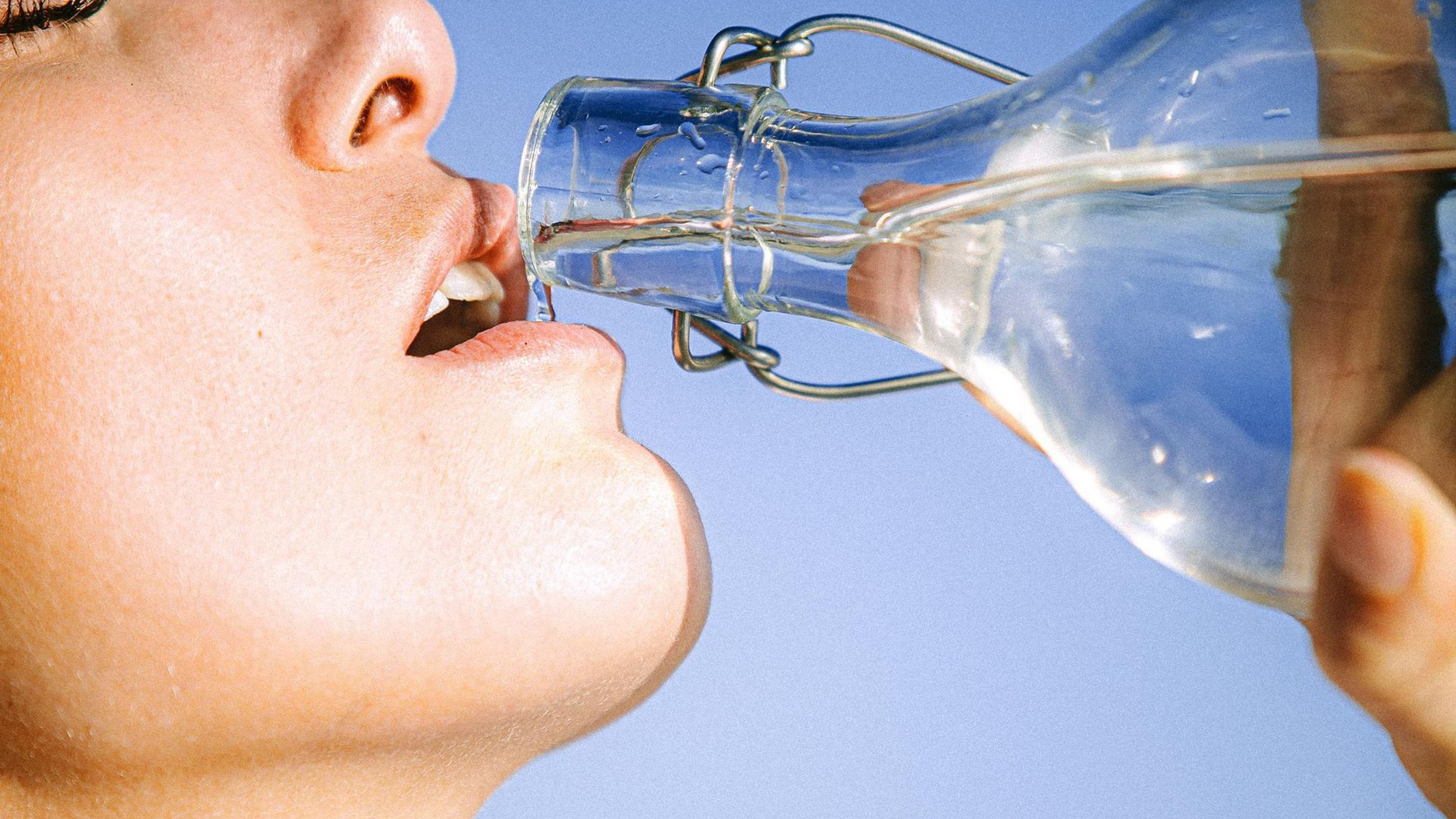
We’ve all heard the advice: “Drink more water for glowing skin.” While staying hydrated is essential for overall health, the truth is that drinking water alone isn’t enough to keep the skin looking plump, smooth, or moisturised. Many people still experience dryness, dullness or dehydration even when they’re consuming large amounts of water each day.
This blog breaks down the science behind why this happens — and what your skin actually needs to stay hydrated.
1. Your Skin Is the Last Organ to Receive Hydration
When you drink water, your body distributes it where it’s needed most:
- vital organs
- bloodstream
- kidneys
- brain and heart
The skin receives hydration last, meaning that drinking water doesn’t directly or immediately plump up the outer layers of the skin. Your internal organs use the majority of the water long before any benefits reach the epidermis.
This is why your skin can still feel dry even when you’re drinking plenty.
2. Skin Hydration Depends on Your Skin Barrier — Not Just Internal Water Levels
True skin hydration relies heavily on the strength of your skin barrier, which is made up of:
- ceramides
- cholesterol
- fatty acids
- natural moisturising factors (NMFs)
- hyaluronic acid
If this barrier becomes compromised — due to harsh products, age, UV exposure, over-exfoliation, dryness, or environmental stressors — the skin loses moisture faster than it can be replenished. This moisture loss is known as transepidermal water loss (TEWL).
Even if you are well-hydrated internally, a weak skin barrier allows water to escape through the surface of the skin, leading to dryness or dehydration.
3. Hyaluronic Acid Declines With Age
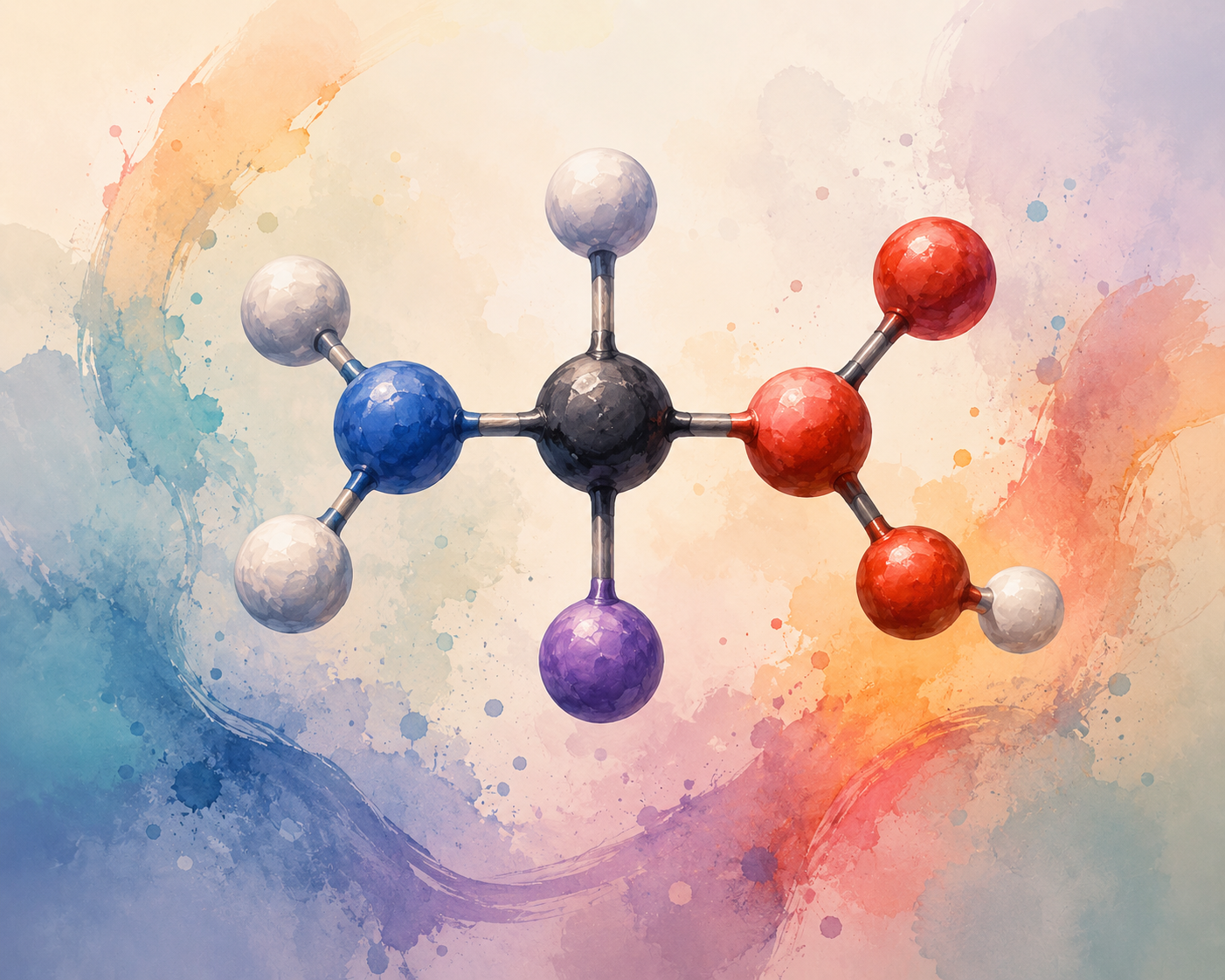
Hyaluronic Acid (HA) is a naturally occurring molecule that holds water within the skin — up to 1,000 times its weight. It plays a major role in keeping the skin hydrated, plump and flexible.
From our mid-20s onwards, natural HA levels begin to reduce.
Less HA = less ability to
retain moisture.
This is one of the key reasons why many people notice increased dryness or fine lines as they age, even if their water intake remains high.
4. Environmental Conditions Pull Moisture Out of the Skin
External factors can dehydrate your skin regardless of how much water you drink. These include:
- air-conditioning and heating
- wind exposure
- low humidity
- sun exposure
- pollution
- lifestyle factors such as hot showers or harsh cleansers
These elements strip moisture from the skin’s surface, often faster than internal hydration can compensate.
5. Drinking Water Doesn’t Replace Topical Hydration
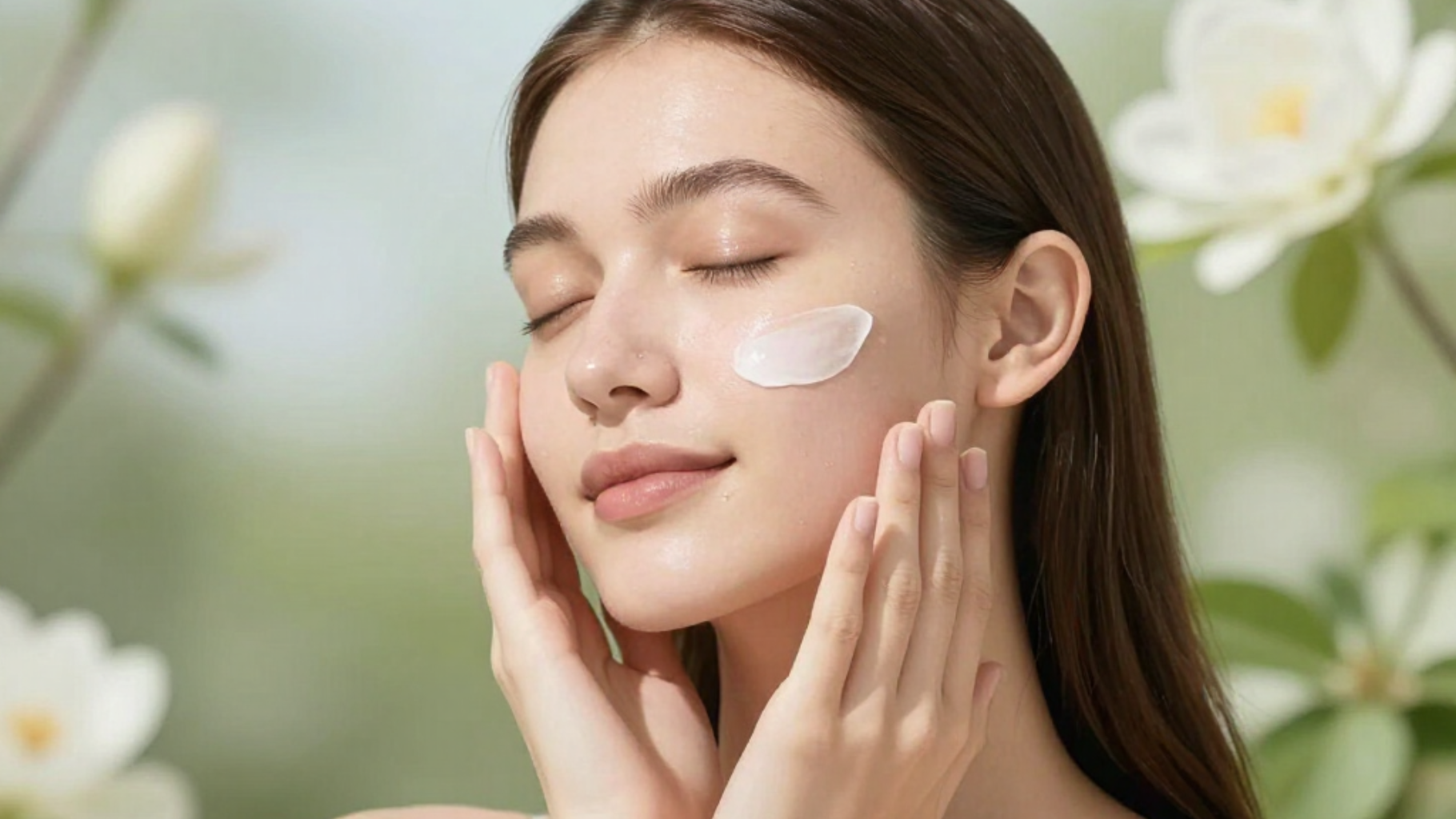
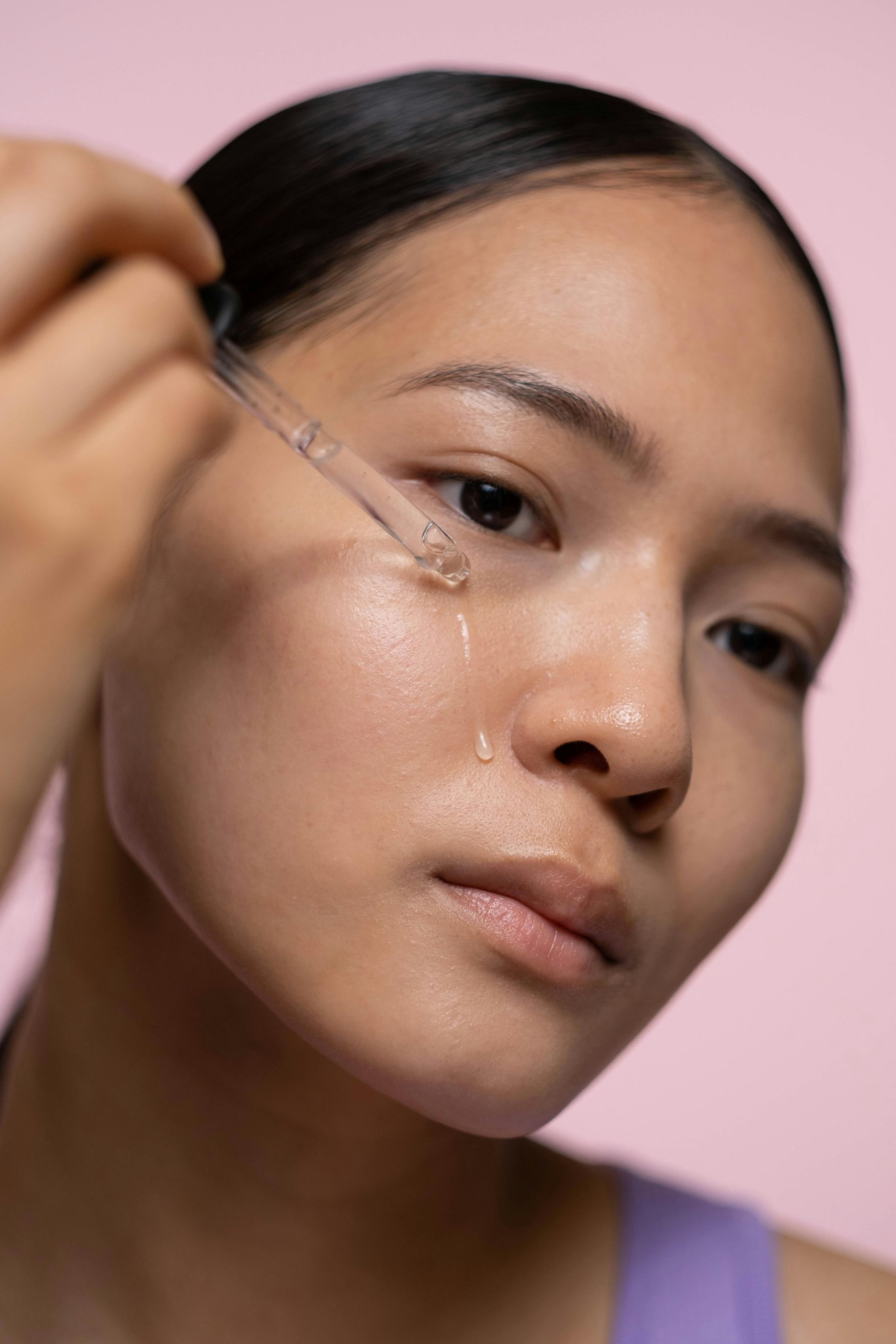
To keep the skin hydrated, you also need topical support. The best skincare routines combine:
Humectants
Attract water into the skin.
Examples: Hyaluronic Acid, glycerin, panthenol.
Emollients
Smooth and soften the skin barrier.
Examples: ceramides, fatty acids, squalane.
Occlusives
Prevent water from evaporating.
Examples: certain oils, balms, and barrier creams.
A balanced combination of these helps lock moisture into the skin — something water alone cannot do.
6. Why Your Skin Can Still Feel Dry When You Drink Lots of Water
Dryness or dehydration can occur for several reasons:
- A compromised skin barrier
- Age-related decline in natural HA
- Environmental moisture loss
- Lack of topical hydration
- Using products that strip the skin
- Over-cleansing or over-exfoliating
- Genetics
- Hormonal shifts
- Certain medications
- Climate changes
In most cases, topical hydration + barrier repair are necessary to complement internal hydration from water.
The Bottom Line
Water is essential for life — but skin hydration is a much more complex process than simply drinking more of it.
For truly hydrated, healthy-looking skin, you need:
- a strong and supported skin barrier
- topical hydration (like Hyaluronic Acid and barrier-repairing ingredients)
- protection from environmental stressors
- professional treatments that enhance the skin’s ability to retain water
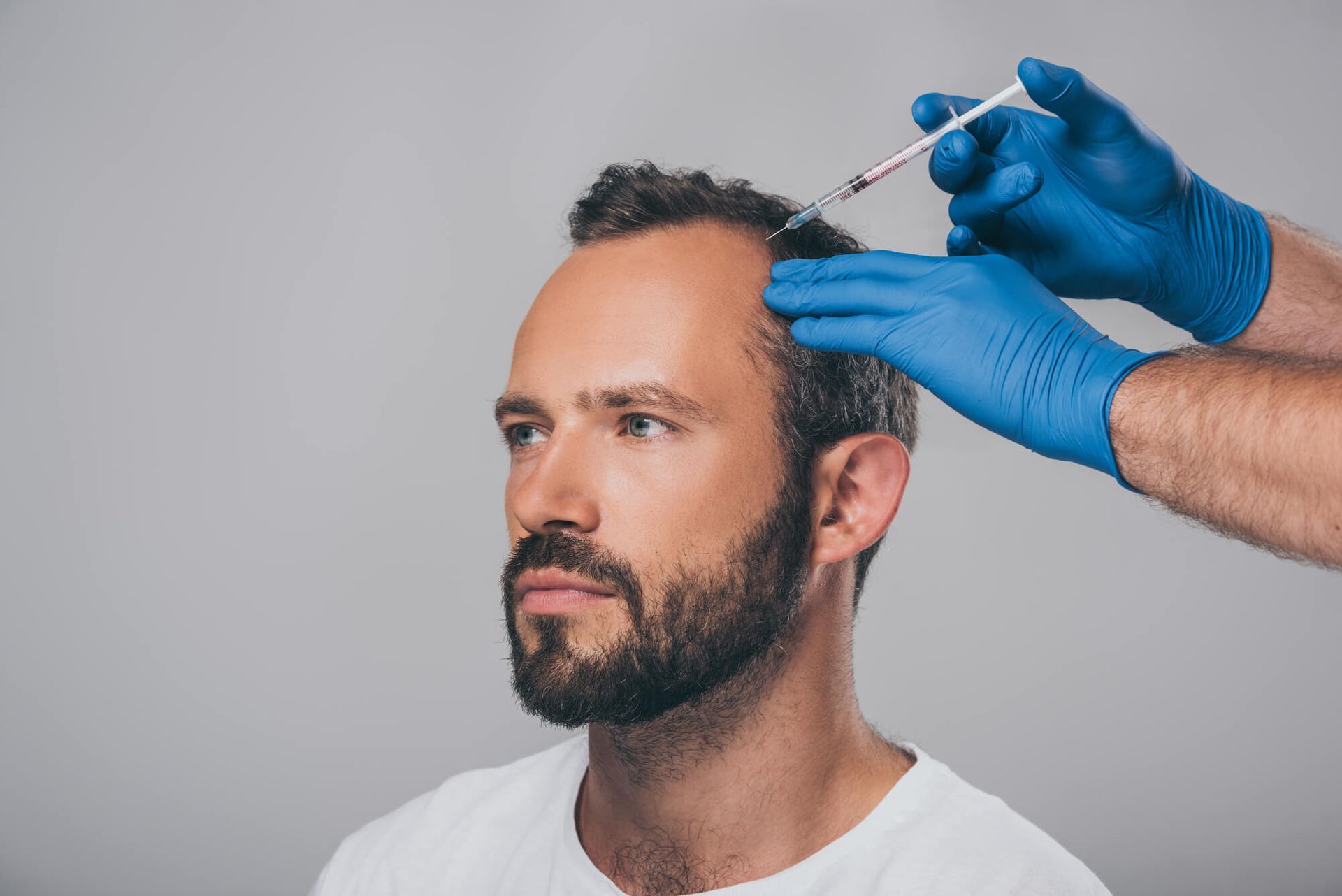
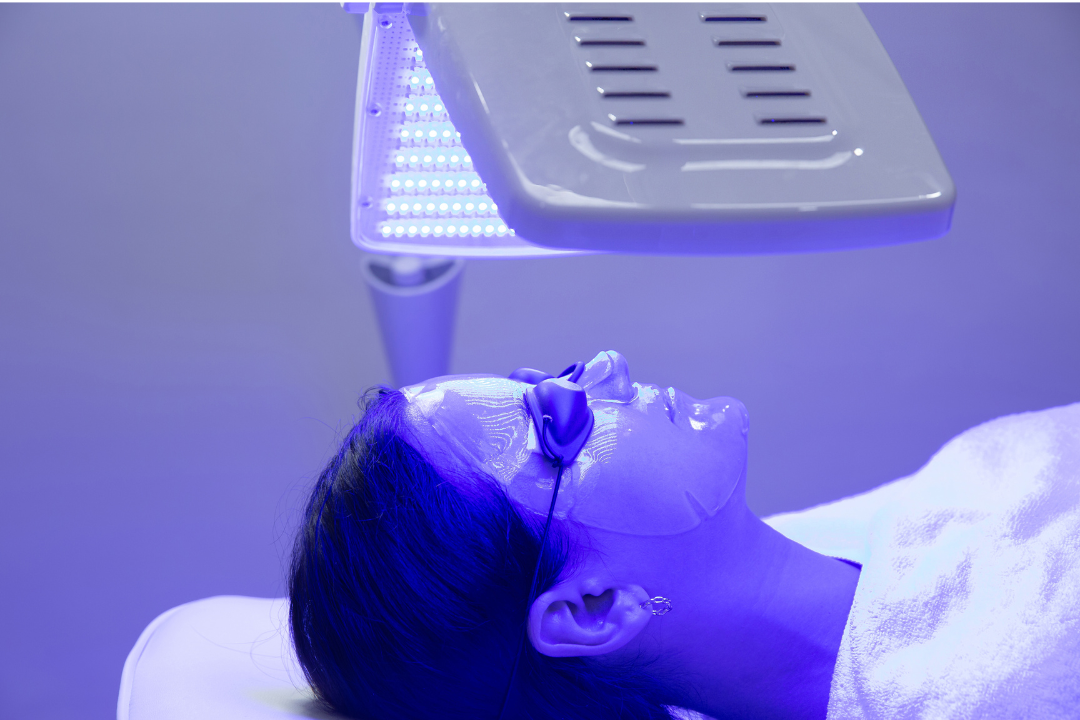
This is why treatments such as skin needling with HA-based serums, LED therapy, or barrier-strengthening facials can help support hydration at a deeper level.