The Science Behind Fasting and Ageing
“From Autophagy to Longevity: The Anti-Ageing Power of Going Without”
Emerging research suggests that certain fasting approaches—particularly intermittent fasting (IF) and fasting-mimicking diets (FMD)—may play a role in supporting healthy ageing. These strategies are thought to enhance cellular repair, improve metabolic function, and reduce some of the biological markers associated with ageing.
The Science Behind Fasting and Ageing
Cellular Renewal Through Autophagy
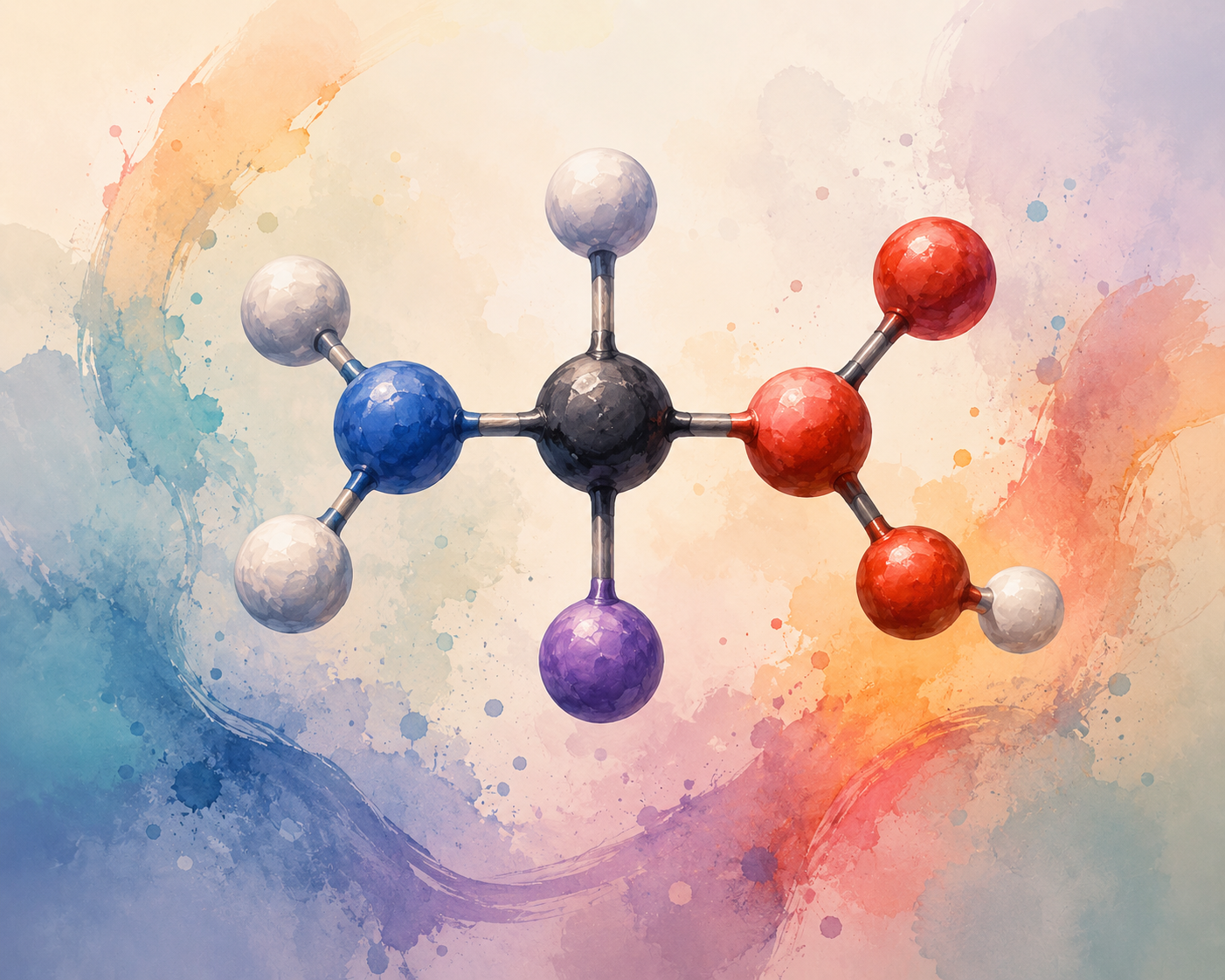
One of the most studied benefits of fasting is its ability to stimulate autophagy—a natural cellular process where the body removes damaged or dysfunctional components. This “cellular clean-up” supports healthier cell function and may contribute to longevity. Research has also linked fasting to increased levels of compounds like spermidine, which further promote this process.
Fasting-Mimicking Diets & Biological Age
Fasting-mimicking diets, developed by Valter Longo, are designed to replicate the benefits of fasting while still providing essential nutrients. These structured, low-calorie, plant-based programs have shown promising results in clinical studies, including improvements in metabolic health, reductions in insulin resistance, and potential decreases in biological age markers.
Hormonal & Metabolic Benefits
Intermittent fasting has also been associated with:
- Improved insulin sensitivity
- Reduced inflammation
- Increases in human growth hormone (HGH)
These factors all play a role in maintaining energy, supporting tissue repair, and promoting overall skin and body health as we age.
Important Considerations
While fasting can offer potential benefits, it is not suitable for everyone.
More extreme approaches—such as prolonged or water-only fasting—may lead to unwanted side effects, including:
- Muscle loss
- Fatigue or reduced concentration
- Nutrient deficiencies
A personalised approach is essential, and medical guidance is recommended—particularly for those with underlying health conditions, busy lifestyles, or higher physical demands.
Practical Tips for Getting Started
If you’re considering incorporating fasting into your lifestyle:
- Start gradually – Begin with shorter fasting windows (e.g. 12 hours) and build up slowly
- Stay well hydrated – Water intake is essential
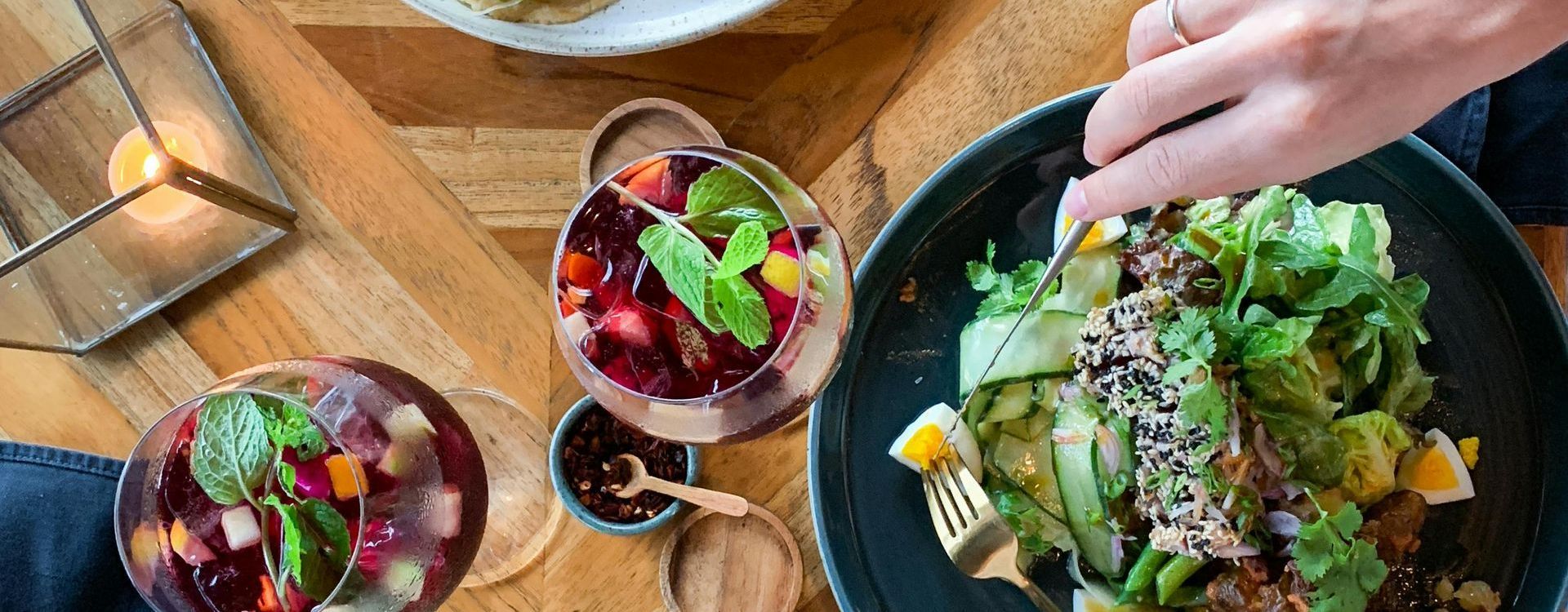
- Focus on quality nutrition – Prioritise whole, nutrient-dense foods during eating periods
- Seek professional guidance – Ensure your approach is safe and appropriate for your individual needs
The Takeaway
Fasting, when approached thoughtfully and safely, may support the body’s natural repair processes and contribute to healthier ageing. While research is ongoing, it offers an exciting insight into how lifestyle choices can influence long-term skin and overall health.